

Australian Guide to Verifying Medical Device Approval Status
When buying medical equipment, it is reasonable to ask whether the product can legally be supplied in Australia. However, terms

blood oxygen monitors have become very common in homes over the last few years. Many people use them to check oxygen levels during illness, recovery, exercise, or general wellbeing. These small devices are easy to use and give quick results, which makes them appealing for everyday use. But one question comes up often. How accurate are they really?
In simple terms, most home-use blood oxygen monitors are designed to give a good estimate, not a perfect medical reading. They work by shining light through your fingertip and measuring how much oxygen is in your blood. This method is reliable for spotting trends, but small variations are normal.
Accuracy depends on how the device is used and the conditions around it. Movement, cold hands, poor circulation, or even bright lighting can affect the result. That’s why readings may change from one check to the next.
It’s also important to remember that these devices are support tools. They are not meant to replace professional testing. Still, when used correctly, they can provide helpful information and peace of mind.
An oxygen reader that you use at home is designed for convenience. It is small, battery powered, and easy to operate. You clip it onto your finger, wait a few seconds, and read the number on the screen. These devices are very useful for everyday checks. However, they do have limits. They usually take a snapshot reading rather than continuous monitoring. That means they may miss brief drops or spikes in oxygen levels.
They can also be affected by user habits. For example, moving your hand, talking, or having nail polish on can all change the reading slightly. This does not mean the device is faulty. It just means it needs the right conditions to work well.
In hospitals, oxygen levels are often measured using more advanced medical equipment. These systems can track oxygen continuously and are carefully calibrated. They are also used by trained staff who understand how to interpret the data.
Because of this, hospital readings are usually more precise. This is one reason some people look for hospital supplies near me when they want more reliable home monitoring options or accessories that improve accuracy. That said, home devices still play an important role. They help people notice changes early and decide when further care might be needed.
There are times when readings from blood oxygen monitors are more dependable. Knowing when to trust them makes a big difference. For the best results, take readings when you are calm and seated. Make sure your hands are warm and relaxed. Keep the device still until the number settles.
Here are a few simple tips to improve accuracy:
If you see one odd reading, don’t panic. Check again after a short rest. Look for patterns rather than single numbers. Some people use other devices alongside their monitor, such as a rechargeable tens machine for pain relief. While these tools serve different purposes, it’s best not to use them at the same time as checking oxygen levels, as movement can affect results.
If readings stay low or you feel unwell, that’s when it’s time to look beyond home devices. Searching for hospital supplies near me or speaking to a health professional can help you take the next step safely.
It’s common to see your oxygen levels change throughout the day. One reason for this is how your body responds to different environments — especially when travelling or exercising. For people who use a travel oxygen concentrator, the numbers can rise and fall based on activity level, altitude, or how well the concentrator is working. Some people may notice a drop in readings during a long drive, flight, or walk up a hill. These drops usually aren’t serious but it’s still helpful to track.
What matters is not just the number on the screen, but how you feel. If you’re breathless, dizzy, or confused, take a break and check again. Always follow your doctor’s advice if you’re using oxygen while travelling.
Many people are surprised to find out how small things can affect a reading from blood oxygen monitors. Here are just a few:
If your numbers seem off, wait a few minutes, warm your hands, and try again. Consistency is more important than chasing one perfect number.
Some people combine a rechargeable tens machine with their oxygen monitoring routine, especially for managing chronic pain or stress. While these devices serve different roles, they both support health at home.
However, avoid using both devices at the same time. A tens machine sends electrical pulses into muscles, which can cause small movements. These movements may interfere with the oxygen reader, leading to less accurate readings.
Instead, space out your usage. Use your blood oxygen monitor first, in a calm and still setting. Then use your tens machine for its own purpose. This approach gives you better results from both devices and avoids confusion.
To get the most from your device, follow a simple checklist each time:
These tips apply to most standard medical equipment used at home, especially light-based monitors. If you’re ever unsure about a reading, repeat it after a few minutes. Patterns over time are more useful than single checks.
If your device feels old, inconsistent, or hard to read, it may be time for a replacement. That’s when many people search hospital supplies near me to find trusted providers. These stores often offer better-quality devices and helpful advice. You might also find accessories like sensor covers, batteries, and carry cases to keep everything in working order.
Blood oxygen monitors are useful tools — but they’re not meant to replace a doctor’s care. If your readings stay low, or you’re feeling sick, it’s time to act.
Call your doctor or visit your local clinic if:
Don’t rely on guesswork. A health professional can run more accurate tests using hospital-grade tools. Using a reliable oxygen reader at home is a great step — just make sure you know when to go further. If in doubt, trust your instincts and seek help.
When buying medical equipment, it is reasonable to ask whether the product can legally be supplied in Australia. However, terms
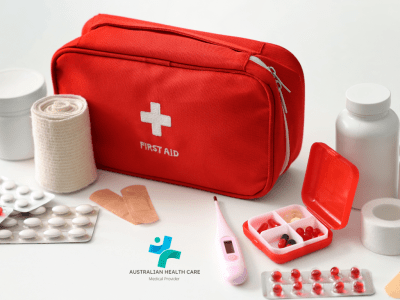
Keeping a small selection of practical health products at home can make everyday care easier when someone needs basic first

Buying health products online can make it easier to compare equipment, find products for home care and order items without
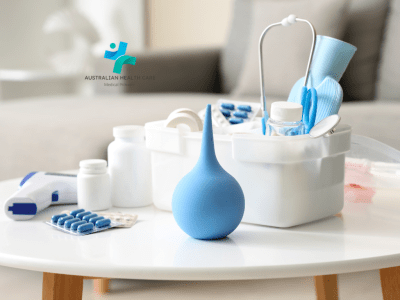
Buying health products for home use can feel straightforward until several similar items appear to offer the same benefit. A
| Cookie | Duration | Description |
|---|---|---|
| cookielawinfo-checkbox-analytics | 11 months | This cookie is set by GDPR Cookie Consent plugin. The cookie is used to store the user consent for the cookies in the category "Analytics". |
| cookielawinfo-checkbox-functional | 11 months | The cookie is set by GDPR cookie consent to record the user consent for the cookies in the category "Functional". |
| cookielawinfo-checkbox-necessary | 11 months | This cookie is set by GDPR Cookie Consent plugin. The cookies is used to store the user consent for the cookies in the category "Necessary". |
| cookielawinfo-checkbox-others | 11 months | This cookie is set by GDPR Cookie Consent plugin. The cookie is used to store the user consent for the cookies in the category "Other. |
| cookielawinfo-checkbox-performance | 11 months | This cookie is set by GDPR Cookie Consent plugin. The cookie is used to store the user consent for the cookies in the category "Performance". |
| viewed_cookie_policy | 11 months | The cookie is set by the GDPR Cookie Consent plugin and is used to store whether or not user has consented to the use of cookies. It does not store any personal data. |