Choosing a blood pressure monitor can be confusing when several devices appear to offer similar features. When comparing products through a medical equipment store, the most important considerations are not simply price or the number of functions on the box. The monitor should be suitable for the person using it, have the correct cuff size, be easy to operate and, importantly, have evidence that it has been validated for accuracy.
For Australians monitoring blood pressure at home, a well-chosen device can make it easier to take regular readings and share useful information with a doctor or other health professional. Home monitoring should complement professional medical advice rather than replace it. The Heart Foundation recommends using a validated monitor, while Healthdirect advises using an automatic device with a properly fitting upper-arm cuff.
What to Look for at a Medical Equipment Store
A medical equipment store may offer automatic digital monitors, manual sphygmomanometers and devices with different cuff sizes or memory functions. For most people measuring their blood pressure at home, ease of use should be one of the first things to consider.
Healthdirect recommends an automatic blood pressure monitor with a cuff that wraps around the upper arm and fits correctly. It also advises choosing a monitor that has been validated for accuracy. Memory storage can be useful because it allows readings to be reviewed over time without relying entirely on handwritten records.
A large, easy-to-read screen can be particularly helpful for older users or anyone with reduced vision. Simple controls may also make a monitor easier for someone who takes measurements without assistance.
Why the Right Blood Pressure Monitor Matters
Not every blood pressure monitor on the market has been validated for accuracy. Hypertension Australia specifically advises consumers to look for a validated device, because accurate home measurements depend on both the monitor and the correct cuff fit.
This is an important distinction when comparing health equipment. A monitor with extra functions is not automatically a better choice if the basic measurement system is unsuitable for the user.
Your doctor may also recommend home monitoring for a particular period or reason. If that is the case, ask whether there are specific features, measurement routines or recording requirements you should follow before purchasing a device.
Upper-Arm and Wrist Blood Pressure Monitors
Comparing Monitor Types at a Medical Equipment Store
When visiting or browsing a medical equipment store, you may see both upper-arm and wrist blood pressure monitors. For routine home monitoring, Australian health guidance generally favors automatic upper-arm devices.
Healthdirect recommends an automatic monitor with a properly fitting upper-arm cuff and states that finger and wrist devices are not recommended for routine home monitoring. The Heart Foundation similarly advises using a validated machine with a cuff that properly fits the upper part of the arm.
Hypertension Australia notes that wrist monitors can sometimes be considered when a suitable upper-arm cuff is not available, but correct positioning remains important.
For that reason, portability alone should not determine which monitor you choose. Accuracy, cuff suitability and professional advice are more important considerations.
Which Style Is Suitable for Home Users?
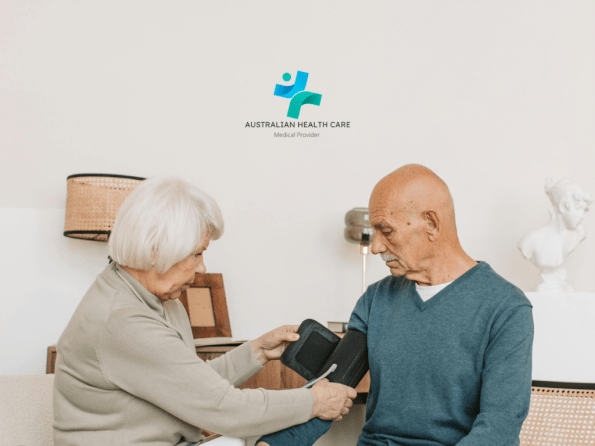
An automatic upper-arm monitor is generally straightforward to use because the user positions the cuff, starts the device and allows it to inflate and calculate the reading automatically.
This may be especially useful for an older adult, a family member monitoring a chronic condition or a carer assisting another person. However, individual circumstances differ. Someone with restricted arm movement, an unusual arm circumference or another condition affecting cuff placement may need advice from a healthcare professional before deciding which type of monitor is appropriate.
A medical equipment store can help you compare product specifications, but questions about whether a particular monitoring method is medically appropriate should be discussed with a doctor, nurse or pharmacist.
Getting the Cuff Size Right
Checking Cuff Size Through a Medical Equipment Store
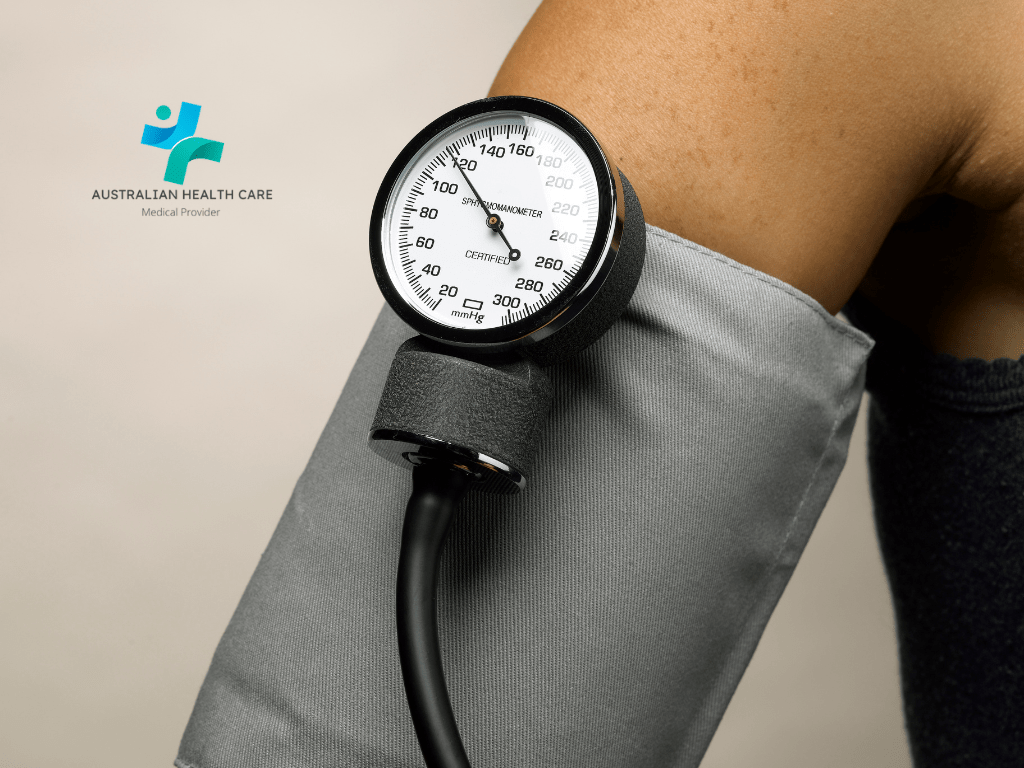
Cuff size is one of the most important details to check before ordering from a medical equipment store. A monitor may have excellent features, but it will not be suitable if its cuff does not correctly fit the user’s upper arm.
Hypertension Australia advises measuring the upper-arm circumference and selecting a cuff designed for that measurement. It notes that a cuff that is too small can overestimate blood pressure, while one that is too large can underestimate it.
Do not assume that labels such as “adult cuff” or “large cuff” will automatically be appropriate. Check the manufacturer’s stated circumference range and compare it with the user’s actual arm measurement.
For example, some monitors are sold with a defined cuff range rather than a one-size-fits-all design. Checking this information before purchase can help avoid discovering after delivery that a different cuff is needed.
Comfort and Consistency During Home Monitoring
Correct fit also affects how practical the monitor is to use regularly. The cuff should be applied according to the manufacturer’s instructions and positioned consistently each time.
The Heart Foundation recommends sitting quietly before taking a measurement, keeping the feet flat on the floor, supporting the back and arm, and positioning the cuff at heart level. It also advises taking two readings one minute apart when undertaking a home monitoring schedule.
A medical equipment store can provide the device and product information, but the user still needs to follow the correct measurement technique. Consistency matters because small changes in preparation, posture and cuff positioning can affect readings.
Features That Can Make Home Monitoring Easier
Useful Features Available Through a Medical Equipment Store
Once accuracy and cuff suitability have been considered, you can compare convenience features at a medical equipment store. These may include a large digital display, automatic inflation, stored readings, multiple-user memory and indicators provided by the manufacturer.
Memory storage can be particularly helpful when readings need to be reviewed with a healthcare professional. Healthdirect notes that monitors capable of saving readings can make it easier for a doctor to check measurements over time and can reduce mistakes associated with manually recording results.
For a household where two people use the same device, separate user profiles may also be convenient. The important point is to choose features that solve a genuine need rather than simply selecting the monitor with the longest feature list.
Think About the Wider Home-Care Environment
Blood pressure monitoring may be only one part of someone’s daily care routine. A medical equipment store may also be used when a family is organizing broader home-care support.
For example, an older person with reduced mobility may need bathroom medical equipment or medical bench seats to make everyday routines more manageable. Someone assisting a family member may also be researching options such as a caregiver pager in Australia to support communication within the home.
These products serve very different purposes from a blood pressure monitor, so they should be assessed individually. The useful connection is that care equipment should be selected around the person’s actual abilities, home environment and support needs rather than purchased as a generic package.
Choosing Equipment for Different Health and Mobility Needs
Looking Beyond a Single Piece of Health Equipment
People rarely shop for a medical equipment store product in complete isolation. Someone who has recently returned home from hospital, for example, may be comparing several types of health equipment at the same time.
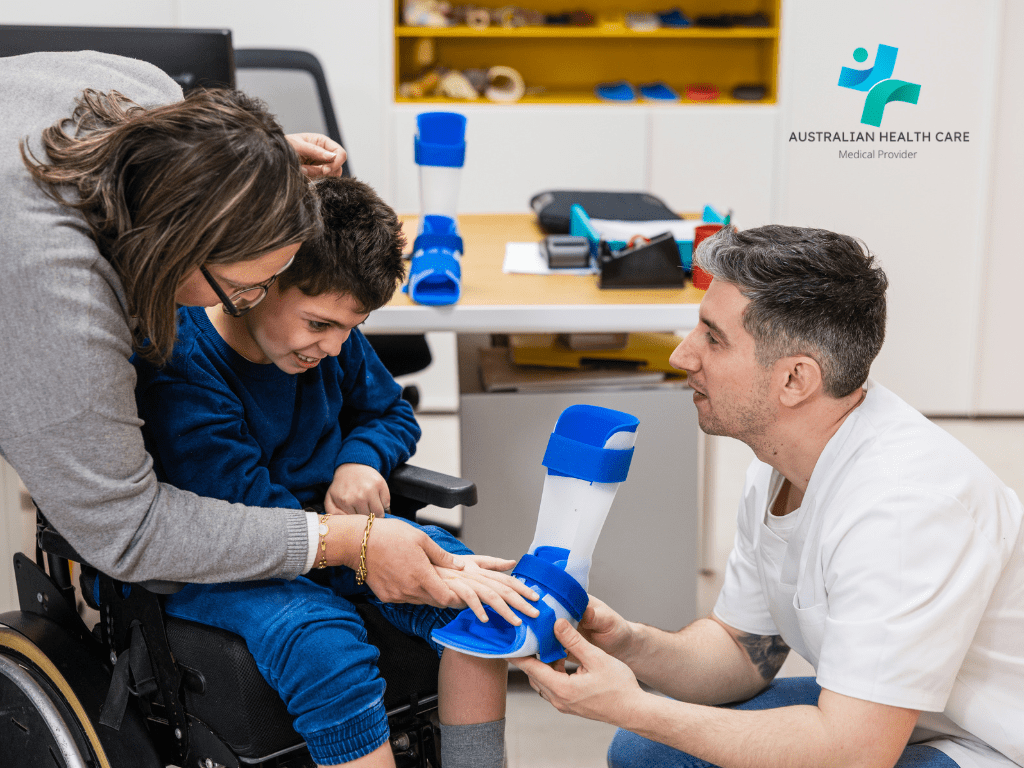
A person who has difficulty walking may be researching mobility aids in Parramatta or elsewhere in Western Sydney while also needing a blood pressure monitor for home use. Another household may need bathroom safety products because standing, transferring or showering has become more difficult.
The best approach is to assess each item according to its intended purpose. A blood pressure monitor should be chosen for measurement accuracy, cuff suitability and ease of use, while mobility and bathroom products need to be considered according to factors such as dimensions, adjustment, user mobility and the physical environment where they will be used.
Personal-Care Products Should Match the User’s Needs
A medical equipment store may also stock personal-care products that support people with continence, mobility or other daily care needs. These can include a urinary bottle and other urology supplies, alongside mobility, bathroom and monitoring products.
These items should not be treated as interchangeable simply because they appear within the same home-care category. Size, intended use, cleaning requirements and the person’s ability to use the product independently can all influence suitability.
Australian Health Care is one supplier Australians may encounter when comparing this broader range of home and medical products. Its online categories currently include medical devices, bathroom medical equipment, mobility equipment, home care equipment and urology supplies, providing useful internal pathways for readers who need equipment beyond blood pressure monitoring.
Checking Accuracy, Australian Requirements and Supplier Information
What to Ask a Medical Equipment Store Before Buying
Before purchasing from a medical equipment store, check exactly which model you are considering, whether its cuff fits the intended user, what accessories are included and whether replacement cuffs or other compatible components are available.
For a blood pressure monitor, it is also worth checking whether the model has been independently validated for measurement accuracy. The Heart Foundation notes that Australia does not currently have its own registry of validated blood pressure monitors and directs consumers to recognized validation resources. Healthdirect also provides guidance on finding validated monitors.
Do not confuse clinical validation with simply having a familiar brand name or an extensive list of digital features. Validation relates specifically to whether a monitor has been tested for measurement accuracy according to an accepted protocol.
ARTG Inclusion and Validation Are Different Checks
Australian shoppers comparing a medical equipment store should also understand the role of the Therapeutic Goods Administration. The TGA identifies blood pressure monitors as medical devices and states that, unless an exemption or exclusion applies, medical devices must be included in the Australian Register of Therapeutic Goods before they can be legally supplied in Australia.
ARTG inclusion and blood pressure validation should not be treated as exactly the same thing. ARTG requirements concern the lawful supply and regulation of medical devices in Australia, while validation asks whether a particular blood pressure monitor has been tested and shown to measure blood pressure accurately.
That distinction gives buyers two useful questions to ask: is the device appropriately supplied for the Australian market, and has the specific blood pressure monitor been validated for accuracy?
The TGA also cautions that medical devices purchased from overseas websites may carry additional risks, including missing instructions, limited warranty or servicing, calibration concerns and products that do not meet Australian requirements.
Making Blood Pressure Monitoring Practical at Home
Using a Medical Equipment Store Product Correctly
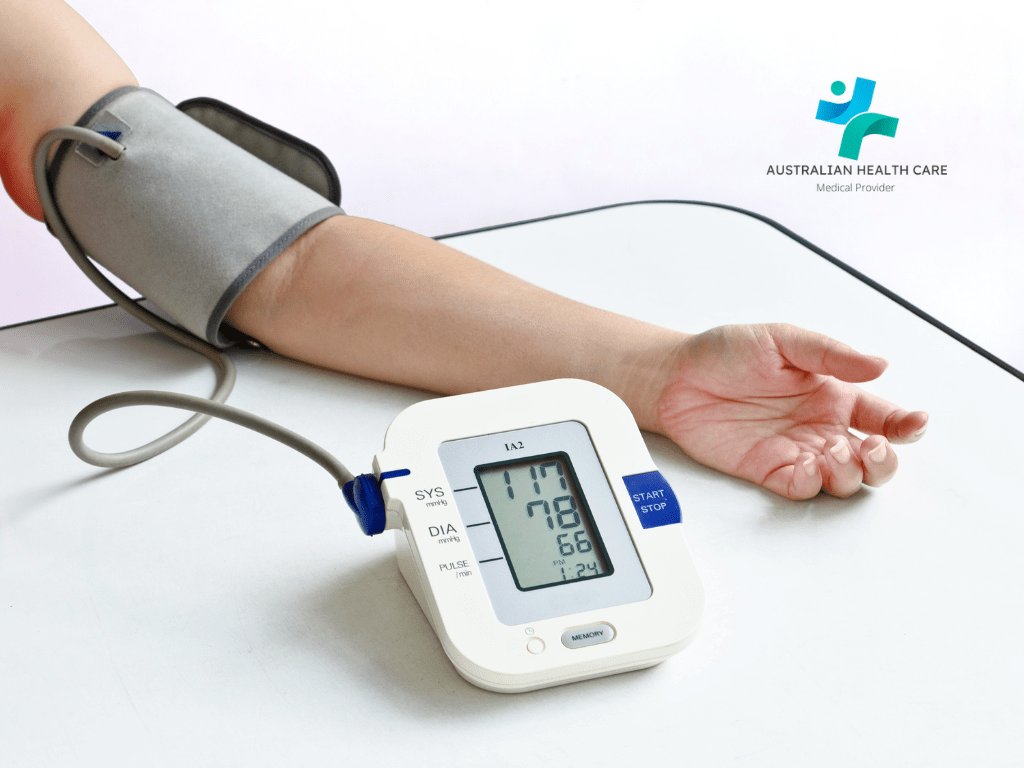
Buying the right monitor from a medical equipment store is only the beginning. Correct technique is essential if the readings are going to be useful.
Before measuring, Healthdirect recommends sitting quietly for five minutes with the back and arm supported, legs uncrossed and feet on the floor. The cuff should be placed on the bare upper arm at heart level. It also advises avoiding caffeine and smoking for 30 minutes beforehand and taking measurements according to the schedule recommended by your healthcare professional.
The Heart Foundation similarly advises using a validated monitor, keeping the arm supported and recording readings so they can be discussed at a future appointment.
Home blood pressure readings are useful information, but they should not be used to independently diagnose a condition or change prescribed treatment. If readings concern you, or they differ significantly from what you normally record, seek advice from an appropriate health professional.
Choose the Monitor Around the Person Using It
The best medical equipment store choice is not necessarily the device with the most technology. It is the one that combines validated accuracy with the correct cuff size, clear instructions and features the user can comfortably manage.
Before purchasing, consider who will operate the monitor, whether the display is easy to read, whether readings need to be stored for more than one person and whether the cuff fits properly. If the person already uses mobility, bathroom or personal-care equipment, think about how blood pressure monitoring will fit into their existing routine.
When comparing suppliers such as Australian Health Care, review the individual product information rather than choosing solely on price. If you are uncertain about which blood pressure monitor is appropriate for your circumstances, speak with your doctor, pharmacist or another qualified health professional before purchasing.
Taking a little extra time to compare the device, cuff and support available can make home blood pressure monitoring simpler and more useful over the long term.