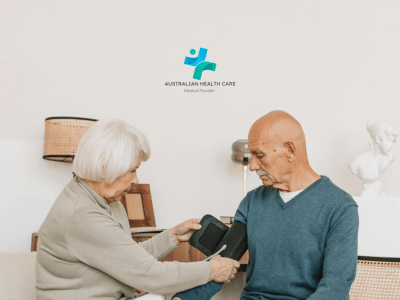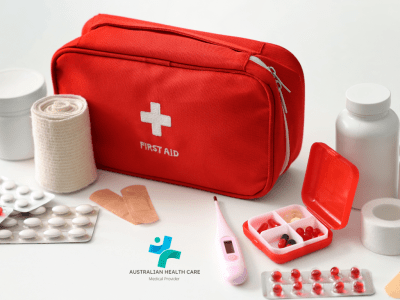

Choosing suitable australian health supplies for aged care can help older Australians manage everyday activities with greater comfort, safety and independence. Whether you are supporting an ageing parent, caring for a family member at home or arranging equipment for residential aged care, understanding the available products is an important first step.
Ageing can bring changes in mobility, strength, balance and physical comfort. Everyday activities such as walking around the home, getting out of bed, showering or sitting for extended periods may become more difficult. Appropriate healthcare equipment can provide practical assistance, but the right choice depends on the person’s individual abilities, living environment and support requirements.
Australia has a wide range of medical and home care products, including walking aids, bathroom safety equipment, transfer supports, pressure care cushions and daily living accessories. However, not every product is suitable for every person, and some equipment requires professional assessment or training.
This guide explains the main categories of aged care equipment, what to consider when comparing products and how to make informed purchasing decisions for home care or residential aged care.
Why Aged Care Equipment Matters for Everyday Living
Aged care equipment is designed to assist with activities that may become more challenging due to reduced mobility, changes in physical ability or ongoing care requirements.
For example, someone who becomes tired when standing in the shower may benefit from an appropriately fitted shower chair. Another person who has difficulty walking longer distances may need a mobility aid selected according to their strength, balance and walking ability.
Equipment can also support family members and carers who assist with daily routines.
However, choosing a product based only on its appearance or general description can create problems. A walking frame that is too tall, a shower chair that does not fit the bathroom or an unsuitable transfer aid may introduce additional safety risks.
The aim is to select equipment that meets a genuine need while considering the person’s preferences, independence and ability to use it safely.
Understanding Australian Medical Supplies for Aged Care
Australian medical supplies for aged care include products intended for different levels of support.
Mobility equipment includes walking sticks, walking frames, rollators and wheelchairs. Bathroom products include shower chairs, bath boards, toilet support frames and other personal care aids.
Transfer equipment may assist with movement between beds, chairs and wheelchairs, while pressure care products are intended to help manage pressure-related risks during prolonged sitting or lying.
Other home health supplies focus on positioning, comfort, hygiene and everyday activities.
These categories sometimes overlap, but their purposes are not identical. A general comfort cushion, for example, should not automatically be considered a suitable pressure injury prevention product.
Before purchasing, identify the task the equipment needs to support and whether a healthcare professional should assess the person’s requirements.
Choose Mobility Equipment for Different Support Needs
Mobility equipment can help older Australians participate in everyday activities, but selecting the correct product requires careful consideration.
People who experience mild walking difficulties may have different needs from those who require substantial physical support or use a wheelchair for most daily activities.
When comparing australian medical supplies for mobility assistance, consider how the equipment will be used, where it will be used and whether the person can operate it safely.
Compare Walking Frames, Rollators and Wheelchairs
Walking sticks are commonly used by people who need a small amount of additional support while walking. Their suitability depends on balance, strength and the level of assistance required.
Walking frames provide a broader support structure. Some models need to be lifted between steps, while others include wheels to support forward movement.
Rollators generally feature wheels, hand brakes and, on some models, a seat. They may be useful for people who can walk but need additional stability or opportunities to rest.
However, a rollator may not be suitable for someone who cannot control the brakes or who needs substantial support to remain upright.
Wheelchairs provide seated mobility for people who have difficulty walking or cannot safely cover required distances on foot.
Manual and powered wheelchairs have different operating requirements. Seat dimensions, posture, transfer ability and the intended environment all influence suitability.
Rather than selecting a mobility product based on convenience alone, consider obtaining guidance from a physiotherapist or occupational therapist.
Selecting Australian Medical Supplies for Mobility Support
When reviewing mobility equipment, look closely at the product specifications.
The user’s height and weight are important because equipment may have adjustment ranges and maximum weight capacities.
Handle height can affect walking posture, while wheel size and braking systems can influence how a mobility aid performs on different surfaces.
For wheelchair users, seat width, seat depth, footrest position and seating support may affect comfort and positioning.
The home environment also matters. Narrow hallways, steps, uneven outdoor paths and limited storage space can influence whether a product is practical.
A walking aid suitable for use inside a small home may not be appropriate for longer outdoor distances.
Australian Health Care offers a range of mobility equipment and devices, including products intended for different mobility and accessibility needs.
Before choosing a product, compare its dimensions, intended use and manufacturer instructions. Professional assessment is particularly important when mobility difficulties are significant or the person has a history of falls.
Improve Bathroom Safety and Personal Care
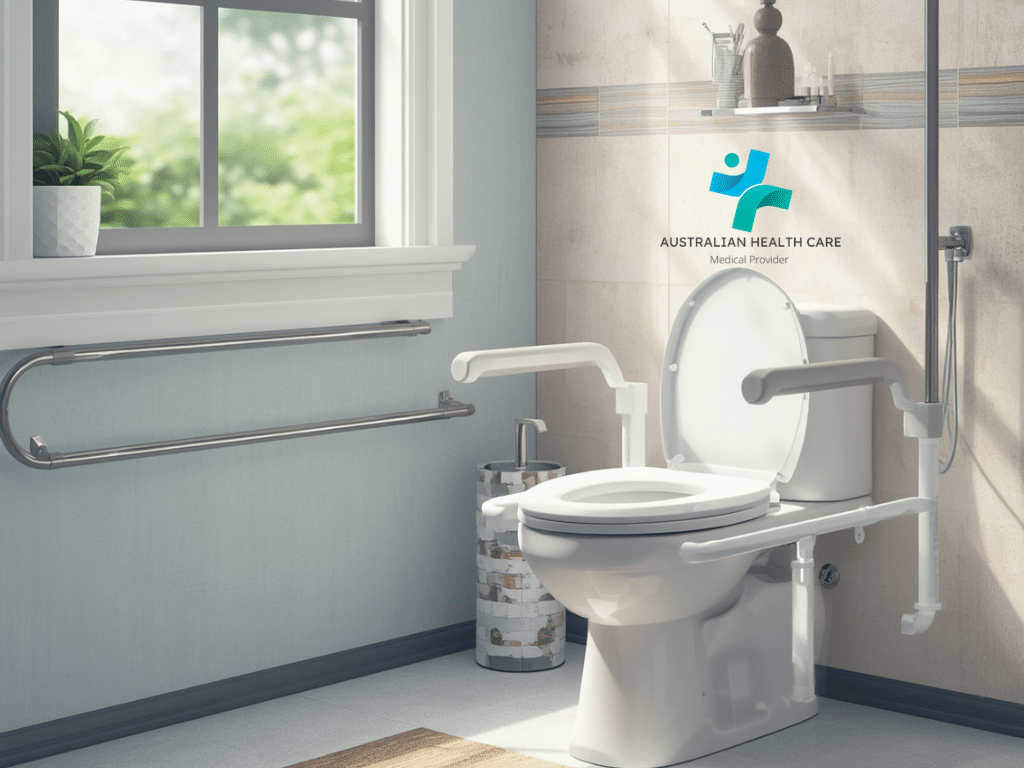
Bathrooms can present challenges for older Australians who experience reduced balance, strength or flexibility.
Wet floors, limited space and the need to move between standing and seated positions may make showering and toileting more difficult.
Suitable equipment can support personal care routines, but its effectiveness depends on correct selection, positioning and use.
When researching australian medical supplies for bathroom assistance, consider both the person’s physical needs and the layout of the bathroom.
Explore Shower Chairs, Toilet Aids and Bath Supports
Shower chairs provide a seated option for people who have difficulty standing throughout their shower.
Different designs may include height-adjustable legs, backrests, armrests or drainage openings. Some models are compact stools, while others offer additional support.
For example, Australian Health Care lists an adjustable-height aluminum shower chair with armrests and a contoured seat. The suitability of these features depends on the user’s needs and available shower space.
Before purchasing, measure the shower area and check whether the chair can be positioned securely without obstructing access.
Bath boards and transfer benches may assist with certain bathing arrangements, while raised toilet seats and toilet support frames can reduce the effort required for some users to sit down or stand up.
However, a raised seat or support frame is not appropriate for every person or bathroom.
Check stability, weight capacity, installation instructions and compatibility with existing fixtures.
An occupational therapist can help assess bathroom accessibility and recommend equipment suited to the individual.
Choosing Health Care Supplies for Daily Hygiene
Personal care involves more than bathing equipment.
Some older Australians may benefit from long-handled washing aids, dressing accessories, hygiene products or other items designed to reduce the physical effort involved in everyday routines.
When comparing health care supplies, consider whether the person can comfortably grip, reach and operate the product.
An item with a large handle may be easier for someone with reduced hand strength, while a lightweight product may be preferable for someone who experiences fatigue.
Cleaning requirements also matter. Products used in bathrooms or personal care environments should be maintained according to the manufacturer’s instructions.
For family carers, it can be helpful to discuss which activities the person wants to continue performing independently and where assistance is needed.
The objective should be to support dignity, comfort and personal choice rather than introducing unnecessary equipment.
Understand Safe Transfers and Positioning Support
Moving between a bed, chair, wheelchair or toilet can become difficult when a person has reduced strength, balance or mobility.
These movements are known as transfers, and they may involve considerable risk when the person cannot safely support their own weight.
Australian medical supplies include different types of transfer and positioning equipment, but these products should be selected according to individual needs and professional guidance.
Compare Transfer Boards, Hoists and Support Aids
Transfer boards are designed to assist certain seated transfers between suitable surfaces.
They may be appropriate for people who have sufficient sitting balance, upper-body control and the ability to participate in the transfer.
Patient hoists are used in situations where mechanical assistance is required to move a person.
Hoists may be mobile or fixed, and their use involves additional considerations such as sling compatibility, safe working load, equipment inspection and carer training.
Transfer belts and other support aids may assist with particular movements when used correctly, but they are not substitutes for appropriate lifting equipment where a person cannot safely bear weight.
The correct choice depends on the person’s abilities, the assistance available and the surrounding environment.
For example, a narrow bedroom or limited space around a bed may restrict which equipment can be positioned and operated safely.
Family members should not attempt unfamiliar or physically demanding transfers without suitable instruction.
A qualified healthcare professional can assess the transfer requirements and help determine whether equipment, training or changes to the environment are needed.
How Australian Medical Supplies Support Positioning
Positioning products may help a person maintain a more comfortable seated or lying position.
These products include support pillows, lateral cushions and seating accessories designed for different positioning needs.
For wheelchair users, posture and seating position can influence comfort, stability and the ability to carry out daily activities.
Australian Health Care lists lateral wheelchair cushions designed to provide additional support at the sides of the body while seated.
However, positioning equipment should not be selected solely because a person appears uncomfortable.
Persistent leaning, difficulty remaining upright, pain or skin changes may indicate a need for professional assessment.
The cause of the problem should be understood before introducing supports that could alter posture or pressure distribution.
Proper fitting is especially important for people who spend extended periods in a wheelchair or who have limited ability to reposition themselves.
Explore Pressure Care and Everyday Comfort Products

Older Australians who spend extended periods sitting or lying down may need additional support to maintain comfort and manage pressure-related risks.
Reduced mobility can make it difficult to change position independently. Prolonged pressure on particular areas of the body may contribute to skin damage, especially when combined with moisture, friction or certain health conditions.
When exploring australian medical supplies for pressure care, it is important to understand the difference between general comfort products and equipment designed for specific clinical requirements.
Compare Pressure Cushions and Mattress Options
Pressure care products include specialized seat cushions, mattress overlays and pressure redistribution support surfaces.
Some cushions use foam, gel or air-filled sections to help distribute pressure across the seating surface. Their design and intended use can vary considerably.
For example, Australian Health Care offers a gel wheelchair cushion designed to provide seating support and pressure redistribution.
However, a cushion that feels soft is not necessarily suitable for someone at risk of developing pressure injuries.
Product selection should consider the person’s mobility, seating position, skin condition, body dimensions and ability to reposition independently.
Pressure care mattresses and overlays also vary in construction. Some use specialized foam, while others incorporate air systems designed for particular support requirements.
The appropriate product depends on an individual’s assessed risk and care needs.
Pressure injury prevention may also require regular skin checks, suitable repositioning, moisture management and ongoing professional care. Equipment alone does not eliminate pressure injury risks.
People with existing pressure injuries, persistent skin redness or significant mobility limitations should seek assessment from an appropriate healthcare professional.
Selecting Home Health Supplies for Comfort
Not every older Australian requires specialized pressure care equipment.
Some people may benefit from everyday comfort products such as supportive pillows, lumbar cushions, seating accessories or positioning supports.
These home health supplies may help make sitting or resting more comfortable when they are appropriately selected.
For example, a lumbar support cushion may provide additional cushioning when someone is seated, while a positioning pillow may help support a preferred resting position.
When comparing products, consider size, firmness, cover material, cleaning instructions and how the item will be used.
The cushion should fit the intended chair or seating arrangement without creating instability or interfering with posture.
For people with limited mobility, significant pain or complex positioning needs, professional advice is important before selecting support products.
Comfort equipment should complement appropriate care rather than replace assessment or treatment for an underlying condition.
Compare Medical Equipment Suppliers in Australia
Choosing a suitable supplier is an important part of purchasing aged care equipment.
Families and carers need reliable product information, clear specifications and an understanding of whether the equipment suits the intended application.
When comparing australian medical supplies, the goal should be to identify products that meet individual needs rather than selecting equipment based only on price or promotional descriptions.
What to Look for in a Medical Supply Store
A medical supply store should provide enough product information to help customers make informed purchasing decisions.
Before ordering, review the intended use, dimensions, adjustment options, maximum weight capacity and any relevant installation or maintenance requirements.
For example, a shower chair should be assessed according to its dimensions, stability, seat height and compatibility with the bathroom.
A wheelchair requires additional consideration of seating dimensions, user needs and mobility requirements.
Product photographs can help customers understand the design, but they should not replace detailed specifications or manufacturer instructions.
Warranty information, delivery arrangements and return conditions may also influence purchasing decisions.
For medical devices, customers should consider the relevant Australian regulatory requirements. The Therapeutic Goods Administration recommends purchasing from legitimate suppliers and seeking professional advice when uncertain about a medical device.
Therapeutic Goods Administration (TGA)
Australian Health Care provides an online range of medical supplies and healthcare equipment, including mobility devices, bathroom medical equipment, patient transfer products, pressure care items and home care accessories.
Customers can compare available product descriptions and specifications before deciding whether an item may suit their requirements.
For equipment involving significant mobility, transfer or clinical risks, professional assessment should remain part of the decision-making process.
Understanding Healthcare Equipment and Wholesale Supplies
Purchasing equipment for one person is different from sourcing products for an aged care organization or professional care environment.
Families may need a single walking aid, shower chair or positioning cushion.
Residential aged care providers may need multiple products with consistent specifications, cleaning requirements and maintenance arrangements.
Organizations comparing wholesale healthcare supplies should consider product suitability, procurement conditions, replacement availability and whether the equipment can be maintained appropriately over time.
Some medical equipment requires periodic inspection, servicing or replacement of specific components.
Transfer equipment may also require staff training and documented safe-use procedures.
For organizations purchasing larger quantities, product consistency and access to replacement parts can be important operational considerations.
However, not every Australian medical supplies retailer offers wholesale purchasing or institutional procurement arrangements.
Buyers should confirm whether bulk orders, commercial pricing or ongoing supply agreements are available rather than assuming they are included.
It is also worth considering whether particular equipment may be eligible for government-funded aged care support.
Under Australia’s Support at Home program, the Assistive Technology and Home Modifications scheme provides separate funding for eligible participants with assessed equipment or home modification needs.
Access depends on an aged care assessment, approved support arrangements and the applicable program requirements. It should not be assumed that every person or product qualifies.
Families can discuss eligibility and assessment pathways through the appropriate aged care services before purchasing equipment they expect to have funded.
Make Informed Aged Care Equipment Decisions
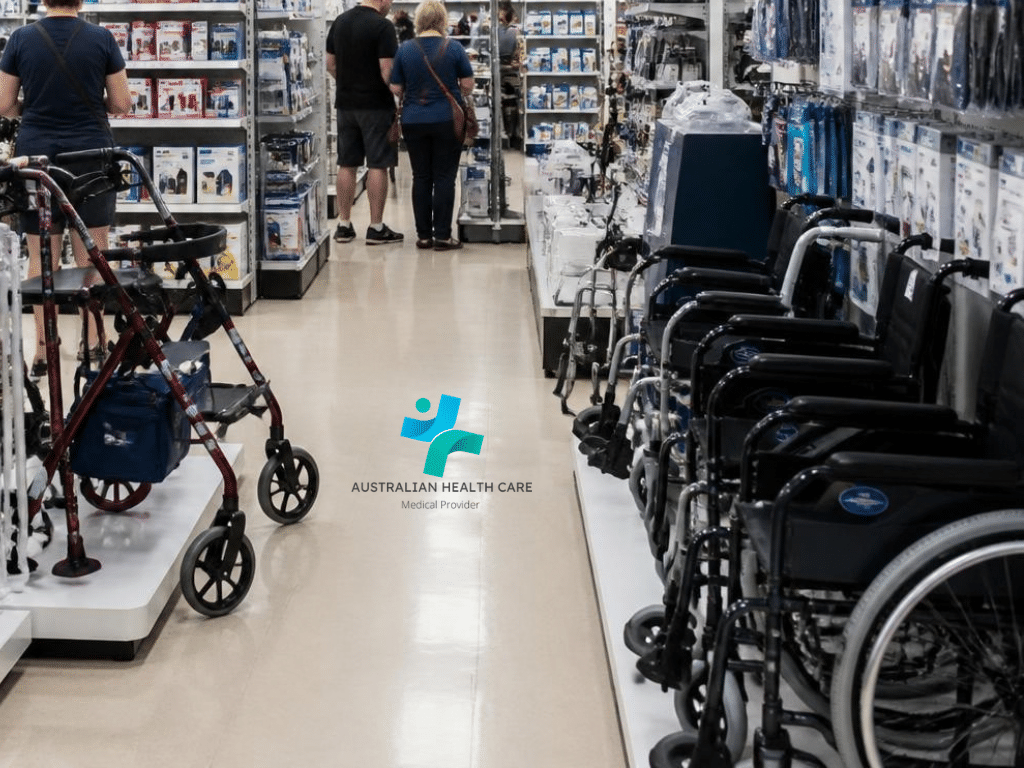
Choosing aged care equipment can involve several decisions, particularly when a person’s needs change over time.
The most appropriate product is not necessarily the most expensive or the one with the greatest number of features.
Instead, the selection should reflect the individual’s abilities, preferences, living environment and any professional recommendations.
When comparing australian medical supplies, taking time to review these factors can help families make more confident purchasing decisions.
Review Safety, Suitability and Ongoing Care Requirements
Before purchasing equipment, consider how it will fit into the person’s daily routine.
For mobility aids, review the user’s height, weight, balance and ability to operate the equipment.
For bathroom products, check the available floor space, installation requirements and compatibility with existing fixtures.
For positioning cushions and pressure care equipment, confirm whether the product is intended for general comfort or a specific clinical need.
Transfer equipment requires particular attention because incorrect selection or use can place both the individual and their carers at risk.
Cleaning and maintenance requirements should also be considered.
Some products have removable covers or washable components, while others require specific care procedures.
If an item contains brakes, moving parts or adjustment mechanisms, the manufacturer may recommend regular inspections.
Families should also consider whether the equipment will remain appropriate if the person’s condition changes.
An occupational therapist, physiotherapist or other suitable healthcare professional can help assess equipment requirements and identify when reassessment is necessary.
Taking these steps helps ensure the equipment is selected for the person using it rather than simply matching a general product category.
Choosing Australian Medical Supplies With Confidence
Supporting an older family member involves understanding their needs and finding equipment that can assist with everyday activities.
Mobility aids may help with walking and movement, while bathroom supports can assist with personal care routines. Transfer equipment, pressure care products and positioning accessories serve other purposes that may require additional assessment.
By understanding these differences, families can avoid purchasing products that are unsuitable or unnecessary.
Australian Health Care offers a range of aged care-related products through its online store, including mobility equipment, bathroom aids, pressure care cushions and patient transfer accessories.
Whether you are comparing walking aids, selecting a shower chair or exploring suitable comfort products, start by reviewing the intended use and specifications.
For more complex requirements, seek advice from an occupational therapist, physiotherapist or relevant healthcare professional before ordering.
If you are researching equipment for an older family member or someone receiving care at home, explore the Australian Health Care online store to review available healthcare equipment and product information.
Choosing suitable products with care can help older Australians receive practical support that respects their comfort, independence and individual needs.