
Australian Medical Supplies: Aged Care Equipment Made Simple
Choosing suitable australian health supplies for aged care can help older Australians manage everyday activities with greater comfort, safety and

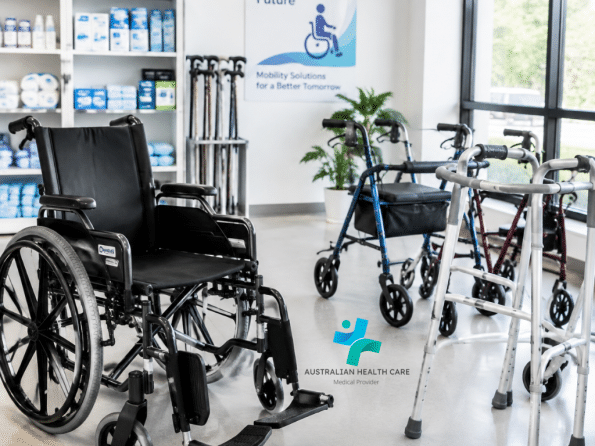
Access to suitable australian medical supplies can make everyday activities more manageable for people living with disability. From mobility equipment and bathroom safety products to personal care items and home healthcare aids, the right products can support comfort, independence and safer daily routines.
In Australia, disability support needs vary depending on a person’s mobility, physical abilities, health conditions and living environment. Some people require assistance with everyday tasks, while others need specialised equipment to manage ongoing care requirements.
Choosing suitable equipment involves more than comparing prices. Understanding the purpose of each product, its safety features and how it fits into daily life can help individuals, families and carers make informed purchasing decisions.
Australian medical supplies include a wide range of products designed to assist with personal care, mobility, rehabilitation and everyday activities. Many of these products are used in private homes, supported accommodation and residential care environments.
For someone experiencing difficulty walking, a suitable mobility aid may help them move around more confidently. An adjustable overbed table can provide a convenient surface for meals and activities, while a commode chair may make toileting more accessible when reaching the bathroom is difficult.
These products can also assist family members and support workers by making certain care activities easier to manage. However, equipment should always be selected according to the individual’s abilities, preferences and support requirements.
Disability support is not the same for everyone. A person with limited mobility may need walking assistance or transfer equipment, while someone with reduced hand strength may benefit from adapted daily living products.
The layout of the home is another important consideration. Narrow doorways, bathroom dimensions, uneven flooring and limited storage space can affect whether particular healthcare equipment is suitable.
Before buying medical equipment, consider which everyday activities are difficult, what assistance is currently available and whether the equipment will remain appropriate if support needs change.
For more complex requirements, an occupational therapist or another qualified healthcare professional can help identify suitable equipment and assess how it should be used.
Selecting Australian medical supplies for disability support starts with understanding the different product categories and how they address practical needs.
Many everyday products are intended to improve accessibility, assist with personal care or provide additional support during routine activities. However, not every item is appropriate for every disability, and some equipment requires professional assessment or instruction before use.
Mobility equipment is an important category of health care supplies for people who experience difficulty standing, walking or moving between locations.
Walking frames and rollator walkers provide different levels of support. A basic walking frame may suit someone requiring a more stable walking aid, while a rollator typically includes wheels and may include brakes and a seat. Choosing between them depends on balance, strength, coordination and the environment in which the equipment will be used.
Wheelchairs are another option for people who need seated mobility assistance. Important considerations include seat dimensions, weight capacity, footrest positioning, transport requirements and whether the wheelchair will be self-propelled or pushed by another person.
Transfer aids, including transfer boards and hoists, may help people move between a bed, chair or other surface. Because incorrect use can cause injury, these products should be selected with professional advice where appropriate, particularly when lifting or complex transfers are involved.
Bathrooms can present accessibility challenges for people with reduced mobility, balance difficulties or limited strength.
Shower chairs and suitable bathroom support equipment may assist with seated bathing and personal care. Bedside commode chairs can provide a practical toileting option when accessing a bathroom is difficult.
Other home health supplies include adjustable overbed tables, positioning aids and supportive cushions. These products can make activities such as eating, reading and personal care more convenient.
When choosing bathroom or bedside equipment, consider the available space, product stability, cleaning requirements and whether the individual can use it safely.
Products should not be assumed suitable simply because they are marketed for disability or aged care. Their dimensions, intended use and safety instructions should match the person’s needs.
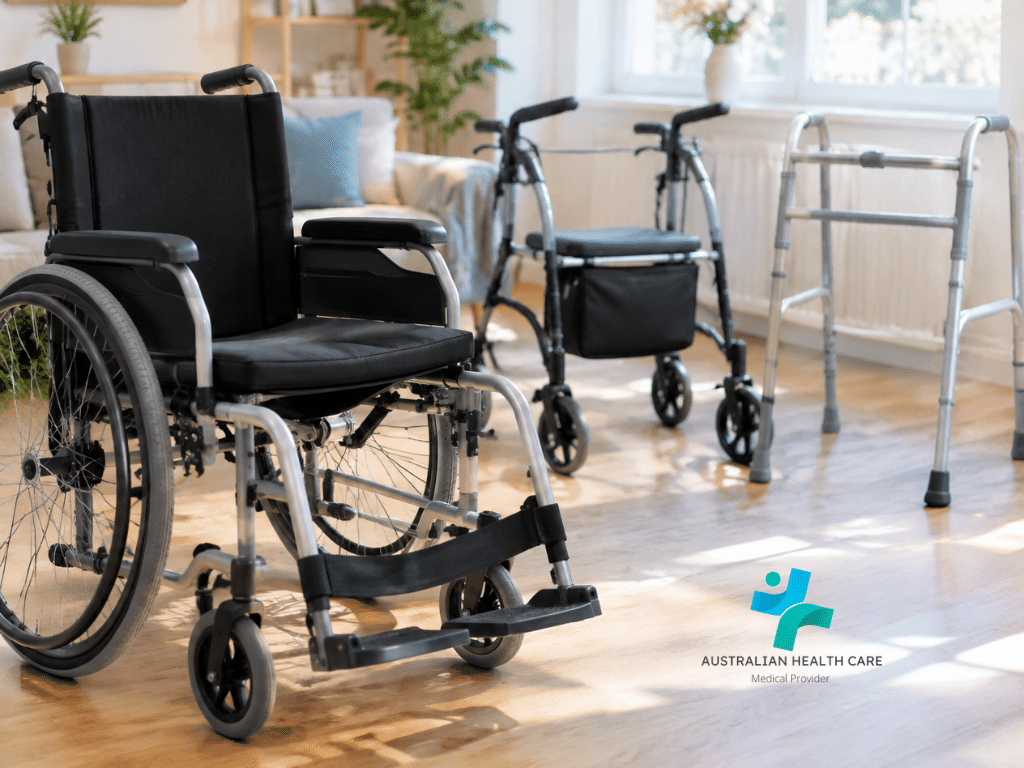
Finding suitable Australian medical supplies requires a practical assessment of how equipment will be used, who will use it and the conditions of the home.
A product with additional features is not necessarily the best choice. Equipment should be comfortable, accessible and appropriate for the person using it.
When comparing home health supplies, begin by identifying the activities that require support.
For example, someone who has difficulty moving from a seated position may benefit from appropriately selected seating or transfer assistance. A person who spends extended periods in bed may require an adjustable table, specialised support surfaces or other equipment recommended by a healthcare professional.
The individual’s height, weight, strength, balance and ability to operate the equipment should also be considered.
It is worth thinking about who will maintain the equipment, whether carers will assist with its use and whether the product needs to be transported or stored regularly.
For specialised items, a professional assessment or product trial can help determine whether the equipment is suitable before making a purchase.
Comfort and safety are essential when selecting healthcare equipment for regular use.
An unsuitable wheelchair seat, incorrectly sized walking aid or poorly positioned bedside product can create additional difficulties rather than solve them.
Check that the equipment has appropriate dimensions, adjustment options and a stated maximum user weight where relevant. Consider whether controls, handles, brakes and other operating features can be used comfortably.
For powered products, review electrical requirements, charging instructions and maintenance recommendations.
Accessibility should also extend beyond the equipment itself. There must be enough room to move, position and operate the product without creating unnecessary obstacles.
When possible, compare product specifications carefully and seek professional advice if there is uncertainty about suitability.
Quality and safety are important considerations when purchasing Australian medical supplies, particularly for products used frequently or relied upon for mobility and personal care.
Equipment that is poorly suited to the user or incorrectly maintained may create avoidable risks. Understanding product information before purchasing can help prevent these problems.
Before purchasing medical equipment, review the product description and technical specifications to understand exactly what is included.
A reputable supplier should provide sufficient information to identify the product’s intended use, dimensions, weight capacity where applicable, and any relevant operating requirements.
Check whether assembly is required, whether instructions are provided and if replacement parts or accessories can be obtained.
For products that are medical devices under Australian law, the Therapeutic Goods Administration regulates their supply. Depending on the type of device and applicable exemptions, inclusion in the Australian Register of Therapeutic Goods may be required.
The TGA also advises consumers to exercise caution when purchasing medical devices online because product authenticity, quality and safety may be difficult to verify when buying from unreliable sources.
Regular maintenance can help keep disability support equipment functioning as intended.
For mobility walkers, this may involve checking wheels, brakes, handles and moving components according to the manufacturer’s instructions. For bedside or bathroom equipment, cleaning, stability and wear should be monitored.
Powered equipment may require additional checks involving batteries, cables and electrical components.
Follow the manufacturer’s cleaning and maintenance instructions rather than assuming all products can be cleaned with the same chemicals or methods.
Australian consumers should also consider product warranties, supplier contact details and their rights under Australian Consumer Law.
If equipment becomes damaged, unstable or difficult to operate, discontinue use where necessary and seek advice from the supplier or an appropriate professional before using it again.
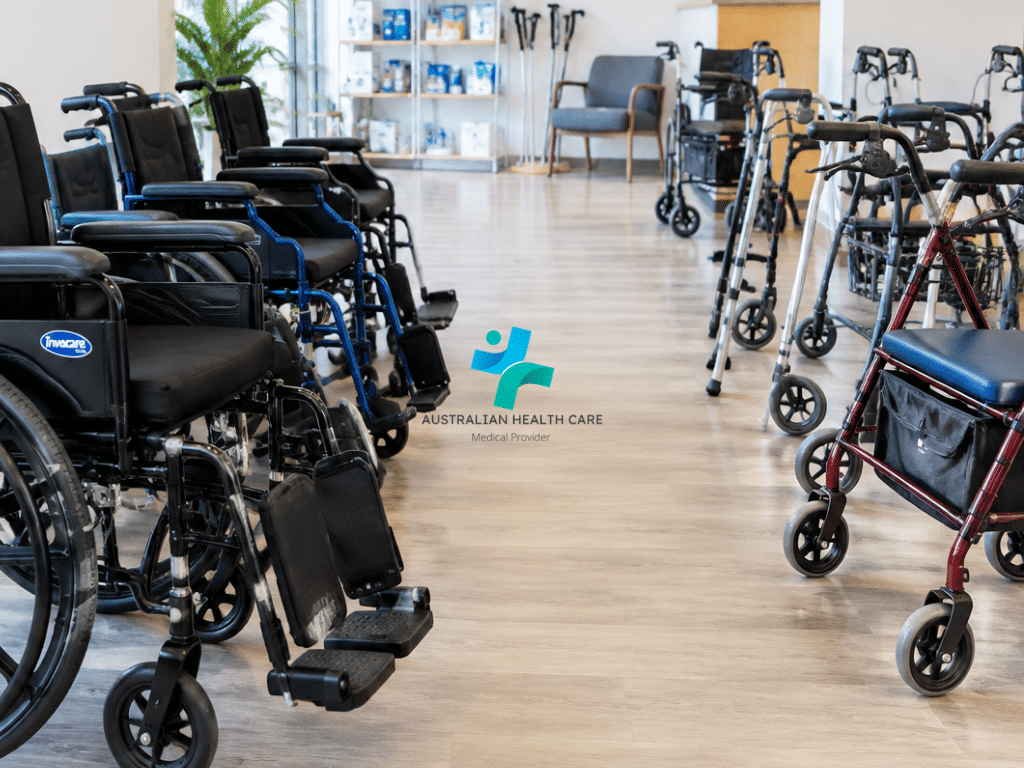
Finding a dependable source of Australian medical supplies can make the purchasing process easier, especially when comparing equipment for ongoing disability support.
Australian consumers can purchase health care supplies through online retailers, physical medical equipment stores and specialist suppliers. Each option offers different advantages depending on the products required.
An online medical supply store can provide convenient access to product descriptions, photographs, specifications and prices without requiring customers to travel between shops.
This may be especially useful for individuals with mobility limitations or carers purchasing equipment for home use.
However, online shopping also means customers may be unable to physically examine or trial equipment before purchase. It is therefore important to check product measurements, intended use, delivery arrangements and returns conditions.
Physical medical supply stores may offer the opportunity to inspect certain products in person. Depending on the retailer, customers may also be able to discuss product features or arrange equipment demonstrations.
For customers in Sydney, Western Sydney or other Australian regions, delivery access, freight charges and the availability of suitable equipment may influence the choice of supplier.
Neither online nor in-store purchasing automatically guarantees a better outcome. The most suitable option depends on the complexity of the equipment and the information or assistance required before purchase.
When comparing suppliers of australian health supplies, look for clear product information, accessible customer service arrangements and transparent purchasing conditions.
A supplier’s website should make it reasonably easy to find product specifications, prices, delivery information and relevant policies.
Australian Health Care is one option for customers researching medical and home healthcare products online. Its product range includes categories relevant to daily living assistance, mobility and home care, such as rollator walkers, commode chairs and overbed tables.
Customers can review the available product information on Australian Health Care and compare individual items against their requirements.
For specialised disability support equipment, product descriptions should be considered alongside professional recommendations rather than treated as a substitute for individual assessment.
Choosing a supplier is ultimately about obtaining appropriate equipment with enough reliable information to make a confident purchasing decision.
The cost of Australian medical supplies varies depending on the type of product, its features, intended use and level of complexity.
For individuals, families and care providers, understanding both the purchase price and ongoing expenses can help with budgeting and long-term planning.
When comparing medical equipment, the lowest initial price does not always represent the most suitable long-term option.
A product may require replacement components, regular servicing or additional accessories. Delivery and assembly charges can also affect the overall cost.
For example, a mobility walker may have different wheel types, adjustment options and braking systems. These differences can affect both usability and maintenance requirements.
Before purchasing, compare the full product specifications rather than relying on price alone.
For organizations purchasing products in larger quantities, wholesale healthcare supplies may offer different pricing or ordering arrangements. However, wholesale purchasing is generally more relevant to repeat-use consumables and standardized products than specialised equipment selected for an individual.
Quality, compatibility and the needs of the people using the equipment should remain the main considerations.
Some people living with disability may be eligible for equipment funding through the National Disability Insurance Scheme (NDIS).
The NDIS can fund eligible assistive technology that relates to a participant’s disability, supports their goals and meets the scheme’s funding criteria.
Examples of assistive technology can include mobility equipment, shower chairs, certain specialised beds and other disability-related supports.
However, not every product purchased from a medical supply store qualifies for NDIS funding. Ordinary household items and equipment unrelated to a participant’s disability generally do not qualify simply because they are purchased for home use.
Funding arrangements also depend on the individual’s plan, the type and cost of equipment, and the evidence required. Some higher-cost or more complex items require advice from an assistive technology advisor, supporting documentation or quotations.
Before purchasing equipment using NDIS funding, participants and their representatives should check their plan and the current requirements published by the NDIS.
For disability support organizations that regularly purchase consumables or standard care products, wholesale purchasing may help simplify supply management. However, wholesale availability and eligibility should always be confirmed directly with the supplier.
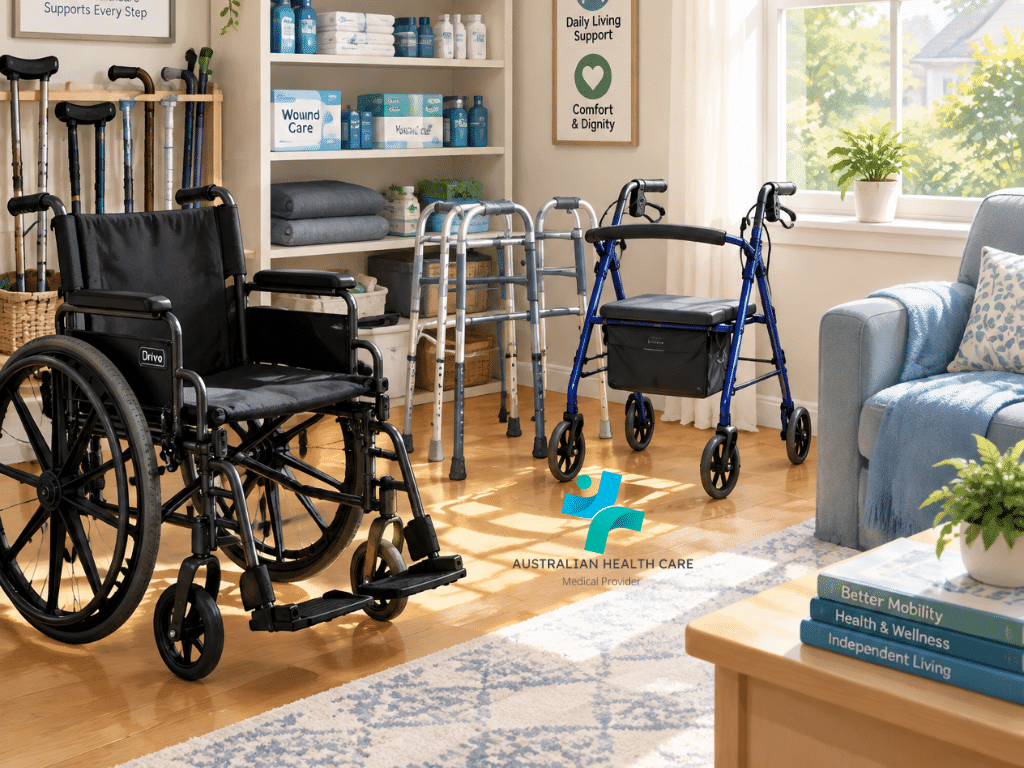
Choosing Australian medical supplies for disability support is an important part of creating a more accessible and manageable daily environment.
The right equipment should address genuine needs, support the person’s preferred routines and remain suitable for the environment in which it will be used.
Some health care supplies are straightforward to select using clear product specifications. Other equipment requires a more detailed assessment.
Professional advice is particularly valuable when equipment affects posture, transfers, mobility, pressure management or personal safety.
An occupational therapist may assess the person’s activities, home environment and functional needs. A physiotherapist may provide advice about mobility and movement, while other healthcare professionals may be involved depending on the equipment required.
This advice can help identify whether a product is appropriate, whether additional training is needed and whether modifications to the home should be considered.
Seeking guidance before purchasing complex equipment may also help avoid unnecessary costs associated with unsuitable products.
Disability support requirements can change over time. Equipment that works well today may need adjustment, maintenance or replacement as circumstances change.
Reviewing existing equipment periodically can help identify whether it continues to support everyday activities safely and comfortably.
When researching new products, compare their intended uses, technical specifications, maintenance requirements and supplier policies. Consider whether the equipment will fit the home, whether the user can operate it comfortably and whether professional assessment is appropriate.
For those exploring australian medical supplies, Australian Health Care provides an online starting point for comparing available home healthcare and daily living assistance products.
Visit Australian Health Care to explore its range of medical supplies and healthcare equipment, review individual product specifications and identify options that may suit your needs.
Taking the time to understand the available equipment and make informed choices can help individuals, families and carers create safer, more accessible daily routines.
Choosing suitable australian health supplies for aged care can help older Australians manage everyday activities with greater comfort, safety and
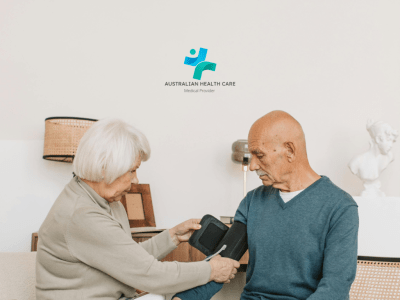
Choosing a blood pressure monitor can be confusing when several devices appear to offer similar features. When comparing products through

When buying medical equipment, it is reasonable to ask whether the product can legally be supplied in Australia. However, terms
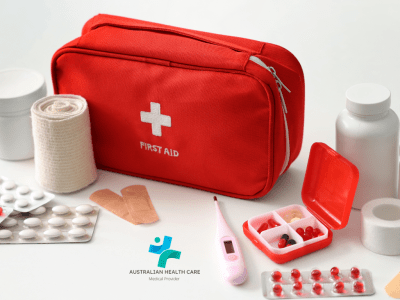
Keeping a small selection of practical health products at home can make everyday care easier when someone needs basic first