
Medical Equipment Store: Choosing Blood Pressure Monitors AU
Choosing a blood pressure monitor can be confusing when several devices appear to offer similar features. When comparing products through


Buying health products online can make it easier to compare equipment, find products for home care and order items without traveling to a physical store. However, medical devices are different from ordinary household purchases. The product may affect a person’s health, mobility, treatment or daily safety, so choosing carefully matters.
For Australians comparing australian health supplies, the safest approach is to look beyond price. You need to understand what the product is designed to do, whether it can legally be supplied in Australia, who is selling it, whether it suits the intended user and what support is available if something goes wrong.
The Therapeutic Goods Administration, or TGA, warns consumers to be cautious when buying medicines and medical devices online, particularly from unknown overseas sellers. Medical devices supplied in Australia are regulated, and unless an exemption or exclusion applies, they must be included in the Australian Register of Therapeutic Goods, known as the ARTG.
The term medical equipment can cover a very wide range of products. The TGA describes medical devices as products or software intended to achieve a therapeutic purpose in or on people. Examples include medical gloves, bandages, syringes, blood pressure monitors, pregnancy test kits and X-ray equipment.
This matters because not every product sold in the health and well being category is regulated in exactly the same way. A general wellness product may have different requirements from equipment intended to diagnose, monitor or treat a medical condition.
Before purchasing health care supplies, read the product’s intended purpose carefully. Do not rely only on photographs, product titles or advertising language. Look for clear information about what the device is designed to do and who it is designed for.
If a listing makes it difficult to understand the intended use, manufacturer or basic specifications, that is a good reason to pause and ask the seller for more information.
The right home health supplies depend on the individual, not simply on what is popular or highly rated online.
Think about the person’s mobility, strength, balance, physical measurements, home environment and ability to use the equipment correctly. For example, a bathroom support product needs to suit the available space as well as the user. Mobility equipment may need to match the person’s physical ability, while monitoring equipment needs to be understandable and practical for regular use.
Some medical devices should only be used by, or with guidance from, a qualified health professional. The TGA recommends speaking with a doctor or other health professional when you are unsure about a health product.
For that reason, an online product description should support an informed decision, not replace individual medical advice where professional assessment is needed.
One of the most useful checks Australian consumers can make is searching the Australian Register of Therapeutic Goods.
Unless a specific exemption or exclusion applies, medical devices must generally be included in the ARTG before they can legally be supplied in Australia. The register allows consumers to look up therapeutic goods approved for supply and review relevant product information.
When you are considering australian medical supplies, check whether the device falls within the medical-device regulatory system and whether an ARTG entry is expected for that type of product.
Do not assume that every health-related item must have an ARTG entry, because exemptions and exclusions can apply. Equally, do not assume a product is acceptable simply because an online retailer ships it to Australia.
If you cannot determine whether a device should appear in the ARTG, contact the supplier for identifying information or refer to current TGA guidance before ordering.
An overseas website can look polished, professional and even appear Australian. That does not necessarily mean the products have been assessed for legal supply in Australia.
The TGA advises consumers to check online sellers carefully because overseas health products may not have been assessed under Australian requirements. It recommends checking the ARTG and verifying the seller rather than relying on the appearance of the website.
There are personal-importation rules that may allow some medical devices to be imported for an individual or immediate family member, but the TGA also warns that buying from an unknown overseas source can involve quality and safety risks. Different rules can apply depending on the device and how it will be used.
For most everyday consumers, buying from a clearly identified Australian supplier can also make questions, returns and after-sales communication easier to manage.

Before entering payment details, check the business behind the website.
The ACCC recommends looking for clear contact details, a physical address and an Australian Business Number or other business registration information when shopping online. It also recommends checking how the business handles problems, replacements and refunds.
A professional-looking medical supply store should make it reasonably easy to identify who operates it and how to contact the business.
Look at the contact page, terms, delivery information and returns information before buying, particularly for expensive healthcare equipment. Keep copies of important records such as the order confirmation, receipt, product description and correspondence with the seller. The ACCC specifically recommends retaining these records for online purchases.
These checks cannot guarantee that every purchase will be problem-free, but they give you more information about who you are dealing with before money changes hands.
A detailed medical product page should help you understand the item rather than simply persuade you to purchase it.
Look for information such as intended use, dimensions, weight limits where relevant, included components, manufacturer details, fitting requirements, operating instructions and any important limitations.
For regulated medical devices, information supplied with the product should help users understand the device and use it safely. TGA consumer guidance for medical devices highlights information such as the device name, manufacturer or sponsor details, safe-use instructions and intended purpose.
Be cautious when a seller concentrates on dramatic outcomes but provides very little practical information about the product itself.
When buying health products, clear specifications and realistic descriptions are more useful than exaggerated marketing language.
Two products that appear similar in photographs may be designed for quite different users.
When comparing healthcare equipment, first identify the specifications that affect everyday use. Depending on the product, that might include overall dimensions, seat width, maximum user weight, height adjustment, portability, power requirements, compatibility, materials or the amount of space required for safe operation.
Consider where the device will actually be used. A large mobility or bathroom product that works comfortably in one home may be difficult to use in a narrow doorway or small bathroom.
For monitoring equipment, think about display size, controls and how easy it will be for the intended person to understand the device. For transfer or mobility equipment, fit and user suitability can be even more important.
Price comparison should happen after you establish which products meet the basic requirements.
Some purchases are relatively straightforward. Others can affect mobility, pressure management, respiratory care, patient transfer or treatment.
The more a product affects health or physical safety, the more important it becomes to check whether professional advice is appropriate before purchase. The TGA notes that some medical devices should be used by, or with guidance from, qualified medical practitioners.
If you are unsure whether a product is appropriate for a particular condition, ask the person’s doctor, occupational therapist, physiotherapist, pharmacist or another suitably qualified health professional, depending on the type of equipment involved.
A retailer can explain product specifications and available options, but that is different from providing an individual clinical assessment.
Understanding that distinction can help consumers use both sources of information appropriately.

A useful medical equipment store should make it easier to compare products based on real needs.
For example, Australian Health Care currently lists categories including bathroom medical equipment, mobility equipment and devices, home care equipment, first aid products, pressure care, patient transfer equipment, rehabilitation equipment and medical devices.
A broad range can be useful when a household needs several related products, but range alone should not decide where you shop. Check each product individually and make sure its specifications suit the intended user.
Australian Health Care also states in its FAQ that customers can contact its support team for help choosing products based on their needs and requirements.
When comparing suppliers, ask specific questions. Rather than saying, “Which one is best?”, explain who will use the equipment, what it needs to do and any important measurements or restrictions. This gives the supplier more useful information to work with while still leaving medical suitability questions to the appropriate health professional.
Returns can be particularly important with medical products because ordering the wrong size, configuration or product can create inconvenience as well as additional expense.
Read the seller’s return terms before completing your order. Also check whether the manufacturer provides a warranty and what support is available if the product develops a fault.
Australian Consumer Law provides automatic consumer guarantees when consumers buy products and services. These rights cannot simply be removed by a business’s warranty conditions or a statement that refunds are unavailable. Voluntary warranties are additional to those basic rights rather than replacements for them.
However, consumer rights for faulty products are different from a seller’s policy on change-of-mind returns or ordering an unsuitable product. That makes checking measurements, specifications and store policies before ordering especially important.
An unusually low price may attract attention, but it should not replace basic checking.
Take extra care if you cannot identify the seller, manufacturer or intended purpose of a device. The same applies when there are no meaningful instructions, specifications or support details.
The TGA warns that products purchased from unknown online sources may be counterfeit, contaminated, defective, improperly stored or otherwise unsuitable. It recommends researching the seller and using its online resources before buying therapeutic goods online.
A cheap product is not automatically unsafe, and an expensive product is not automatically better. The important question is whether you can verify enough information to make a sensible purchasing decision.
If basic details cannot be confirmed, continuing to another supplier may be the safer option.
Modern online stores can be created to look professional and local, even when the business or products are based overseas.
The TGA specifically warns consumers that some websites can appear Australian while actually operating overseas. It recommends independently checking the seller and relevant ARTG information.
Similarly, phrases such as “medical grade”, “professional”, “clinically designed” or similar marketing terminology should not be treated as proof that a regulated product is approved for supply in Australia.
Check the underlying information instead.
This is particularly important when comparing australian health supplies with imported alternatives because seemingly similar products may sit under different regulatory and consumer-protection arrangements.

Contact the seller before ordering if you are uncertain about dimensions, compatibility, weight capacity, included accessories, replacement parts, warranty arrangements, delivery or whether a product is intended for the use you have in mind.
If the product is a medical device and you need information about its manufacturer, sponsor or regulatory status, ask for enough identifying information to check the relevant details.
Australian Health Care provides online health care supplies across categories including mobility, home care, bathroom equipment, pressure care and medical devices. Its contact information lists a business office at 330 Wattle Street, Ultimo NSW 2007, but the company specifically notes that it does not keep stock at that office. Sydney customers should therefore confirm delivery or other arrangements rather than assuming products can be viewed or collected there.
That type of practical clarification can prevent problems before an order is placed.
A medical supply store can help explain available products, specifications and ordering options. It should not replace a qualified health professional when a purchase involves clinical suitability.
If choosing incorrectly could affect treatment, mobility, pressure management, breathing, patient transfer or another important health need, speak with an appropriate healthcare professional before purchasing.
The TGA advises consumers who are unsure about a health product to seek advice from a doctor or health professional.
Once you know what type of equipment is appropriate, you can then compare suppliers based on product specifications, regulatory information where relevant, price, delivery, support and consumer policies.
Buying medical equipment online safely is therefore less about finding the first available product and more about following a sensible checking process. Understand the product, confirm Australian requirements where applicable, verify the seller, compare specifications, read support and return information, and ask for help when something is unclear.
That approach makes it easier to use online medical shopping for what it does well, giving Australians convenient access to products and information, while reducing the risk of making an unsuitable or poorly informed purchase.
Choosing a blood pressure monitor can be confusing when several devices appear to offer similar features. When comparing products through

When buying medical equipment, it is reasonable to ask whether the product can legally be supplied in Australia. However, terms
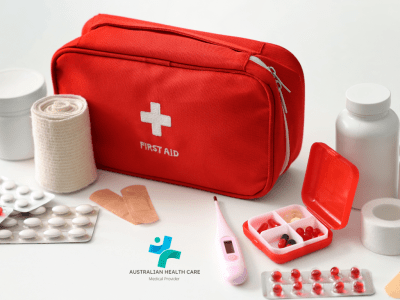
Keeping a small selection of practical health products at home can make everyday care easier when someone needs basic first
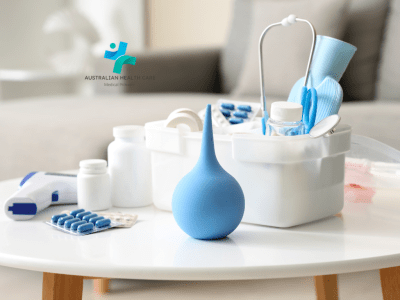
Buying health products for home use can feel straightforward until several similar items appear to offer the same benefit. A