Australian Medical Supplies: Supporting Independence at Home
Access to suitable australian medical supplies can make everyday activities more manageable for people living with disability. From mobility equipment

Having access to a reliable medical supply store makes it easier for Australian households to find healthcare products that support everyday wellbeing, health monitoring and personal care. Whether you are managing an ongoing health condition, caring for an elderly family member or preparing essential first aid supplies, choosing suitable equipment can make daily health routines more manageable.
From digital blood pressure monitors and blood glucose meters to mobility aids and personal care products, home healthcare equipment serves different needs. Understanding how these products work, what features matter and where to purchase them can help you make informed decisions.
This guide explores essential home health supplies, explains what to consider before purchasing medical equipment and offers practical advice for choosing reliable healthcare products in Australia.
A medical supply store provides healthcare products designed for personal use, home care and professional healthcare settings. These products range from basic first aid supplies to specialised equipment that assists with health monitoring and daily activities.
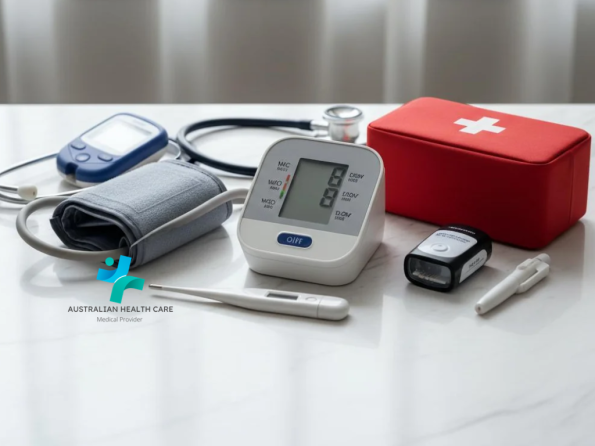
Common products include digital blood pressure monitors, blood glucose testing devices, thermometers, first aid kits, disposable gloves, mobility aids and personal hygiene supplies. Some retailers also offer rehabilitation equipment, bathroom safety products and other assistive devices.
When browsing australian medical supplies, it is helpful to understand each product’s intended purpose. For example, a blood pressure monitor helps users record readings at home, while a walking aid may provide additional support for someone experiencing mobility difficulties.
Not every household needs the same equipment. The most useful purchases depend on individual health requirements, medical advice and everyday activities.
Having suitable healthcare products at home can make routine monitoring and basic personal care more convenient.
For Australians managing conditions such as high blood pressure or diabetes, home monitoring devices may help them record measurements for discussion with their healthcare professionals.
Families caring for older relatives may also benefit from equipment that supports mobility, hygiene and everyday independence.
A well-stocked medical supply store can provide access to different product categories, allowing households to compare equipment based on practical needs rather than purchasing unnecessary items.
However, home healthcare devices should support professional medical advice, not replace diagnosis, treatment or regular medical appointments.
Home monitoring devices are among the most useful products available through a medical supply store, particularly for people advised to monitor specific health measurements.
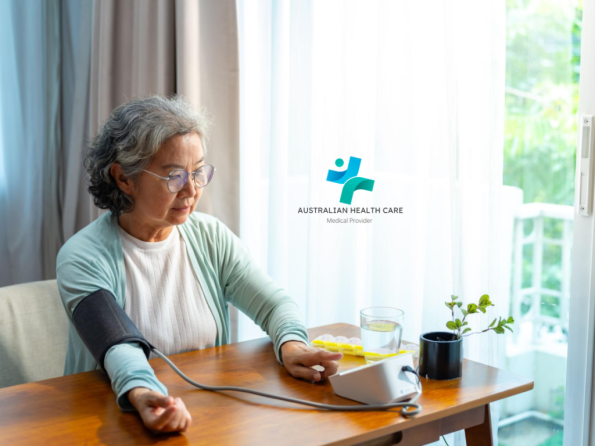
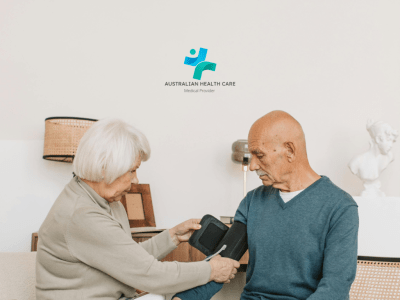
Digital blood pressure monitors measure systolic and diastolic pressure, usually displaying results on an electronic screen. Upper-arm and wrist models are available, although upper-arm monitors are generally preferred for routine home monitoring when suitable.
When choosing a monitor, consider cuff size, display readability, measurement memory and ease of operation. Follow the manufacturer’s positioning instructions and ask a healthcare professional which type is appropriate.
Blood glucose meters measure blood glucose levels using compatible test strips and a small blood sample. They can support diabetes management when testing is recommended by a healthcare professional.
Before purchasing, check the availability and ongoing cost of compatible test strips, the device’s measurement units and its operating instructions. Australian glucose readings are commonly expressed in mmol/L.
Choosing suitable monitoring devices helps make home health tracking more consistent and easier to discuss during medical appointments.
Digital thermometers are another practical addition to home health supplies.
They provide temperature measurements that can assist families when monitoring fever or illness. Common types include oral thermometers, ear thermometers and non-contact forehead models.
Each type has different operating requirements. Accuracy depends on correct positioning, appropriate use and following the manufacturer’s instructions.
Other monitoring products may include pulse oximeters and weighing scales. Pulse oximeters estimate blood oxygen saturation, but their readings have limitations and should never be used alone to determine whether someone needs medical attention.
When shopping at a medical supply store, select equipment that suits the intended user and provides clear instructions for safe operation.

Minor injuries can happen during everyday activities, making a basic first aid kit a useful household essential.
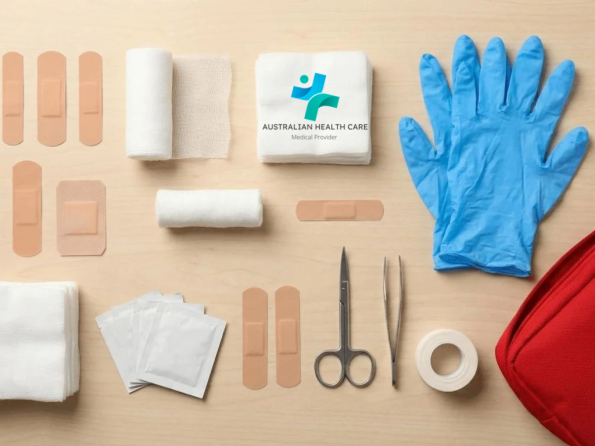
A medical supply store may offer ready-made kits or individual products such as adhesive dressings, sterile gauze, bandages, medical tape, disposable gloves, scissors and tweezers.
The contents should suit the household’s needs. Families with children, older adults or people requiring additional care may need different supplies.
Australian healthdirect recommends keeping first aid equipment organised, protected from contamination and easy to locate when needed.
Regularly inspect your kit for damaged packaging, missing items and expired products. Replacing used supplies promptly helps keep the kit ready for an emergency.
First aid supplies are valuable, but knowing how to use them correctly is equally important. Consider completing recognised first aid training so you can respond more confidently when an injury occurs.
Personal hygiene products can help support cleaner and safer home care environments.
Common health care supplies include disposable gloves, hand hygiene products, cleaning materials and suitable protective equipment.
People assisting family members with personal care may need gloves for particular tasks, especially when contact with bodily fluids is possible. However, wearing gloves does not replace proper hand hygiene.
Reusable healthcare equipment should also be cleaned according to manufacturer instructions. Some devices have specific cleaning restrictions to protect sensors, electronic components or materials.
When purchasing hygiene products from a medical supply store, check their intended use and instructions rather than assuming every product is suitable for medical applications.
Maintaining appropriate supplies and hygiene practices can make everyday caregiving more organised.
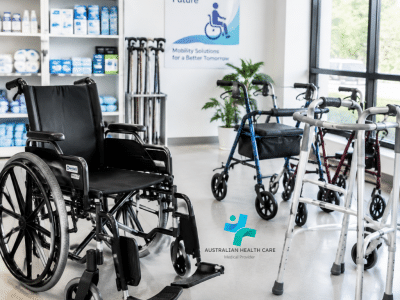
Mobility equipment can support people who experience difficulty walking, standing or moving independently.
A medical supply store may stock walking sticks, walking frames, rollators, wheelchairs and other mobility assistance products.
Each option serves a different purpose. Walking sticks may provide limited additional support, while walking frames can offer greater stability for suitable users. Wheelchairs may assist people who cannot comfortably or safely walk longer distances.
Selecting mobility equipment requires more than comparing prices. Height adjustment, weight capacity, braking systems, seat dimensions and the environment where the product will be used are important considerations.
An occupational therapist or physiotherapist can help determine which equipment is suitable, especially when balance, falls risk or complex mobility needs are involved.
For eligible NDIS participants, assistive technology purchases may also involve assessment and funding requirements depending on the equipment.
Beyond walking equipment, practical daily living aids can make certain household activities easier.
Bathroom chairs, shower stools, raised toilet seats, non-slip products and supportive seating are examples of equipment designed for different everyday needs.
Some people may also benefit from adaptive utensils, reachers or dressing aids that reduce the need for difficult movements.
When comparing australian health supplies, consider the user’s physical abilities, available space and whether the equipment can be installed or used safely.
For example, bathroom equipment should suit the room layout and intended user’s needs. Certain aids require professional assessment or installation.
A medical supply store can be a starting point for exploring available products, but professional guidance is important when equipment affects mobility, transfers or fall prevention.
Choosing healthcare equipment should begin with understanding what the product needs to do.
A device with additional features is not necessarily the best choice if those features are difficult to use or unnecessary.
Consider who will operate the equipment, how frequently it will be used and whether the instructions are easy to understand.
For electronic devices, review battery requirements, display size, measurement functions and ongoing consumable costs. For mobility products, check dimensions, adjustability, weight limits and maintenance requirements.
It is also worth comparing warranties, replacement parts and after-sales support.
A reliable medical supply store should provide sufficient product information for customers to understand what they are purchasing.
If you are unsure whether a device is appropriate for a particular medical condition, seek advice from a qualified healthcare professional before buying.
Product quality is especially important when purchasing equipment used for health monitoring or physical support.
In Australia, the Therapeutic Goods Administration (TGA) regulates medical devices. Most medical devices supplied in Australia must be included in the Australian Register of Therapeutic Goods (ARTG), unless an exemption applies.
Consumers should check relevant product information, including manufacturer details, intended use, warnings and operating instructions.
When comparing home health supplies, look beyond promotional descriptions. Check whether the product is suitable for Australian use and whether replacement consumables are readily available.
Be cautious of exaggerated medical claims or products advertised as substitutes for professional treatment.
Selecting equipment from a medical supply store with clear specifications and accessible support can help reduce uncertainty when purchasing essential healthcare products.
Online shopping allows customers to compare healthcare products without travelling between multiple retailers.
An online medical supply store can make it easier to review product specifications, available models, delivery information and prices from home.
This can be particularly helpful for people with limited mobility, family carers managing busy schedules or households outside major retail areas.
Customers in Sydney, Western Sydney and regional Australia may find online ordering useful when specific healthcare products are not readily available locally.
However, convenience should not come at the expense of product safety.
The TGA warns that buying medical devices online can involve risks, including counterfeit products, unsuitable equipment and devices that may not meet Australian regulatory requirements.
Before ordering, review the retailer’s contact details, shipping policies, returns conditions and product information.
Also check whether the item is shipped locally or directly from an overseas supplier, as this can affect delivery times, warranties and other purchasing considerations.
Individual households and professional care providers often purchase healthcare products in different quantities.
Retail customers generally buy specific items for personal use, such as one thermometer, a blood pressure monitor or a first aid kit.
Healthcare facilities, community organisations and care providers may require regular quantities of consumables such as gloves, dressings and hygiene products.
Wholesale healthcare supplies can be useful for organisations with predictable purchasing requirements, particularly when products are available in bulk packaging.
However, bulk ordering is not always more economical. Buyers should consider storage conditions, expiry dates, minimum order quantities and actual usage.
A medical supply store offering both individual and larger-volume purchasing options may suit different customer needs, although wholesale availability should always be confirmed with the retailer.
Purchasing suitable equipment is only the first step. Proper care helps keep healthcare products ready for everyday use.
Store medical devices according to manufacturer instructions, particularly when products are sensitive to heat, moisture or direct sunlight.
Blood glucose test strips, for example, may have specific storage requirements that affect their performance.
Reusable monitoring equipment should be cleaned as directed, while disposable items should not be reused unless the manufacturer specifically permits it.
Check batteries, inspect equipment for visible damage and replace worn or expired components when necessary.
A medical supply store may provide replacement consumables or compatible accessories, but always confirm that these are suitable for the original device.
Keeping manuals, purchase records and warranty information together can also make future maintenance easier.
Healthcare requirements can change over time, especially when managing long-term conditions or supporting an ageing family member.
Choosing a medical supply store that provides understandable product information, suitable equipment options and clear purchasing policies can simplify future shopping decisions.
Before choosing a supplier, compare product availability, delivery arrangements, customer service and the cost of replacement supplies.
Australian Healthcare offers an online option for customers exploring health care supplies and home monitoring equipment. Shoppers can review available products and specifications to determine which options may suit their needs.
Whether you are buying a thermometer, comparing blood pressure monitors or looking for practical household healthcare products, focus on suitability, safe use and long-term value.
Explore the range of home healthcare products at Australian Healthcare to compare available options and find supplies for your everyday health and personal care needs.
A well-chosen collection of healthcare essentials, supported by appropriate professional advice, can help make home health monitoring and caregiving more manageable.
Access to suitable australian medical supplies can make everyday activities more manageable for people living with disability. From mobility equipment

Choosing suitable australian health supplies for aged care can help older Australians manage everyday activities with greater comfort, safety and
Choosing a blood pressure monitor can be confusing when several devices appear to offer similar features. When comparing products through

When buying medical equipment, it is reasonable to ask whether the product can legally be supplied in Australia. However, terms