Medical Equipment Store: Choosing Blood Pressure Monitors AU
Choosing a blood pressure monitor can be confusing when several devices appear to offer similar features. When comparing products through

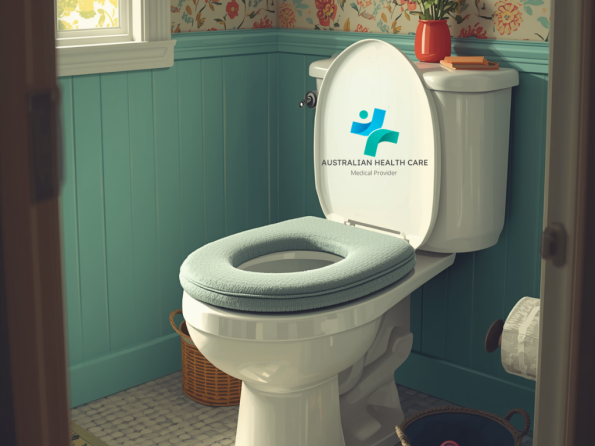
bathroom medical equipment is important for elderly care at home because the bathroom can become one of the most difficult and risky areas for older adults to use each day. Wet floors, low toilet seats, slippery surfaces, tight spaces, and hard fixtures can make simple routines feel stressful, especially for someone with poor balance, joint pain, weakness, or reduced mobility. Because of this, families often need to think carefully about how the bathroom is set up and whether it gives enough support.
The right bathroom medical equipment can help older people feel safer and more confident when showering, toileting, washing, or moving around the bathroom. It may also help reduce strain on family members and carers, because the person may be able to complete more tasks with less help.
Comfort is also a major part of elderly bathroom care. When an older person feels pain or pressure while using the toilet, they may avoid going often, rush the process, or feel anxious about daily routines. This can affect both health and dignity.
By choosing supportive equipment, families can create a bathroom setup that feels easier to use. Small changes, such as better toilet comfort, safer flooring, grab rails, and clear walking space, can help older adults keep more independence while giving families greater peace of mind.
A cushioned toilet seat can improve comfort for older adults who find standard toilet seats too hard or uncomfortable. This can be especially helpful for people with hip pain, lower back pain, pressure sensitivity, arthritis, frail skin, or discomfort from sitting for longer periods. For many older people, toileting is not only a physical task. It is also a private routine that should feel safe, calm, and respectful.
When a toilet seat feels too firm, it may increase pressure on sensitive areas and make sitting or standing more difficult. A cushioned toilet seat can add a softer surface, which may make the experience more comfortable and less stressful. As a result, older adults may feel more relaxed and supported during daily bathroom routines.
Before choosing a cushioned toilet seat, families should check the fit, height, material, cleaning needs, stability, and support level. The seat should fit the existing toilet properly and should not move around during use. If it shifts, slips, or feels unstable, it may create a safety risk instead of helping.
It is also important to choose a material that is easy to clean and suitable for regular use. Since bathroom equipment needs to stay hygienic, families should look for a design that can be wiped down easily and does not trap moisture. Comfort matters, but safety and cleanliness should always come first.
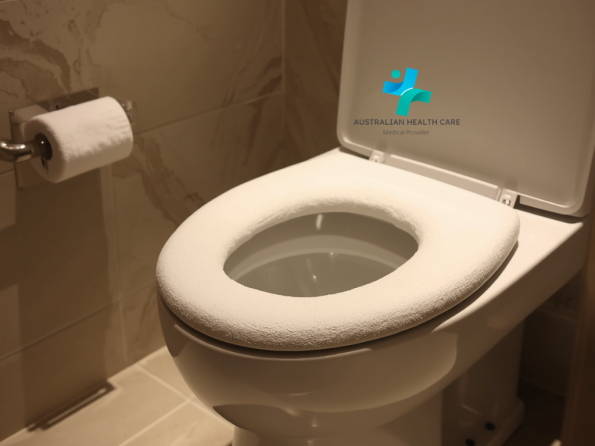
Families may consider a cushion toilet seat when an older person finds a standard toilet seat too hard, too cold, too low, or uncomfortable for daily use. This can happen because of age-related joint pain, reduced muscle strength, pressure discomfort, or recovery after illness or surgery. In these situations, extra softness may make toileting feel easier and more manageable.
A cushion toilet seat may also be useful when an older adult needs more support during longer bathroom routines. If they move slowly, need extra time, or feel discomfort while sitting, a softer seat can help reduce pressure and improve comfort.
A cushion toilet seat may also help when discomfort starts affecting confidence. Some older adults may become nervous about using the bathroom if sitting and standing feels painful or tiring. Over time, this can make them less independent and more reliant on carers.
Adding a supportive toilet seat option can make the bathroom feel more welcoming and easier to use. However, families should still check that the seat is secure, stable, and suitable for the person’s mobility level. Comfort should always work together with safety.
A toilet seat pillow can be helpful for older adults who need extra softness and support during toileting. The added padding may help reduce pressure on sensitive areas, especially for people who experience discomfort from hard surfaces. This can make bathroom routines feel less rushed and more comfortable.
For some older people, small comfort changes can make a big difference to daily wellbeing. A toilet seat pillow may help them feel more settled during a private routine that can otherwise become difficult with age, pain, or reduced mobility.
Even though a toilet seat pillow may improve comfort, stability is still very important. Any padded toilet aid should fit securely and stay in place during use. If it moves, slides, or changes the sitting position too much, it may increase the risk of imbalance.
Families should also think about hygiene and ease of cleaning. A toilet seat pillow should be simple to maintain and suitable for regular bathroom use. Before choosing one, it is helpful to check whether the person can sit, stand, and transfer safely with the added padding in place.
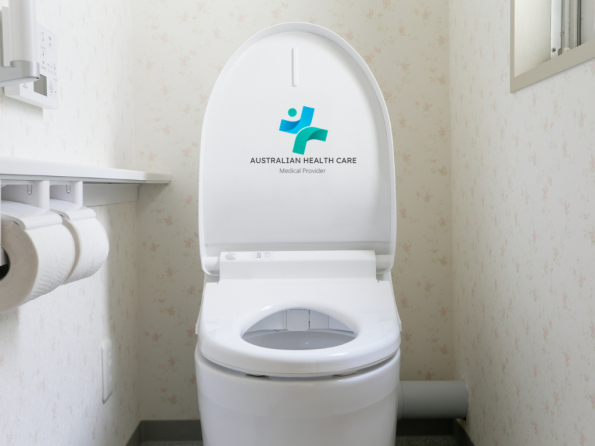
A soft toilet seat cushion can support older adults who experience hip discomfort, lower back pain, joint stiffness, or pressure sensitivity. As people age, sitting on hard surfaces may become more uncomfortable, especially when movement is slower or standing up requires more effort. A softer surface may help make toileting less painful and more comfortable.
This can be useful for people with arthritis, reduced strength, or mobility concerns. When the bathroom feels more comfortable to use, older adults may feel more confident managing daily routines.
A soft toilet seat cushion may also support people who find sitting and standing difficult. While it is not a replacement for grab rails, toilet frames, or professional mobility support, it can be part of a more comfortable bathroom setup.
Families should make sure the cushion does not make the toilet too high, too unstable, or difficult to use. It should suit the person’s height, balance, and transfer ability. The best option is one that supports comfort without creating new movement risks.
When choosing a padded toilet seat, families should look for secure fitting, strong support, easy-clean materials, suitable thickness, comfort, and compatibility with the existing toilet. The seat should not wobble, slide, or feel loose. It should also be firm enough to provide support while still offering a softer surface than a standard seat.
Cleaning is another important feature. Since the bathroom must stay hygienic, the padded surface should be easy to wipe and maintain. Families should also check whether the seat suits the older person’s bathroom routine, mobility level, and comfort needs.
It may be helpful to speak with an occupational therapist, nurse, or healthcare provider before choosing a padded toilet seat, especially if the older person has serious mobility concerns, a recent surgery, a high fall risk, or needs help transferring on and off the toilet. A health professional can suggest options that match the person’s body, movement, and safety needs.
This is important because the wrong equipment can sometimes make bathroom routines harder. Professional advice can help families choose products that support comfort, safety, and independence in the right way.
Families should remember that bathroom safety is about more than one product. While toilet comfort is important, the full bathroom setup should also support safe movement, clear access, good lighting, and steady balance. This may include grab rails, non-slip mats, shower chairs, raised toilet aids, handheld shower heads, and enough space to move without obstacles.
A safer setup should match the older person’s daily routine. For example, if they struggle to stand after using the toilet, they may need more than a soft seat. They may also need rails, a toilet frame, or professional advice about safer transfers.
The best bathroom medical equipment should help older adults feel safe, comfortable, and respected. It should make daily care easier without making the bathroom feel clinical or difficult to use. Families should also check equipment regularly to make sure it stays clean, stable, and in good condition.
In the end, a well-planned bathroom setup can support independence, reduce stress, and improve daily comfort. By choosing the right toilet support and other safety aids, families can help older loved ones use the bathroom with greater confidence and dignity.
Choosing a blood pressure monitor can be confusing when several devices appear to offer similar features. When comparing products through

When buying medical equipment, it is reasonable to ask whether the product can legally be supplied in Australia. However, terms
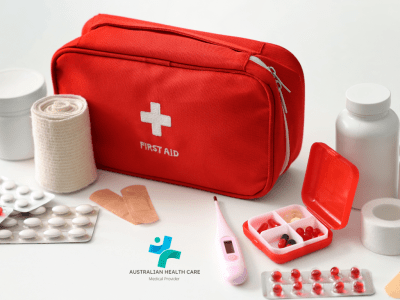
Keeping a small selection of practical health products at home can make everyday care easier when someone needs basic first

Buying health products online can make it easier to compare equipment, find products for home care and order items without