Medical Equipment Store: Choosing Blood Pressure Monitors AU
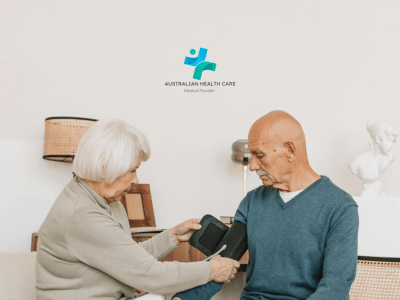
Choosing a blood pressure monitor can be confusing when several devices appear to offer similar features. When comparing products through

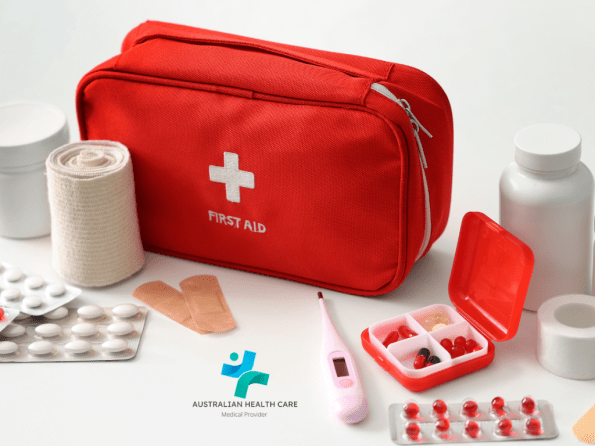
Keeping a small selection of practical health products at home can make everyday care easier when someone needs basic first aid, comfort support, routine monitoring or help with mobility. The goal is not to turn a home into a medical clinic or buy equipment that may never be needed. It is to have suitable items available for the needs of the people who actually live there.
For families, carers and people supporting an older relative, choosing australian health supplies can become more complicated when products move beyond simple first-aid items. A thermometer is relatively straightforward, but a walking aid, shower chair, pressure-care product or other healthcare equipment may require more careful consideration of size, intended use and the person’s individual needs.
It is also important to recognize the limits of home health supplies. A product can support everyday care, but it cannot diagnose a condition or replace professional medical advice when someone is unwell, injured or experiencing concerning symptoms.
This guide explains the types of supplies that may be useful in an Australian home, how to compare products, how to store and maintain them, and when it is better to speak with a supplier or qualified health professional.
A sensible home health setup usually begins with basic first-aid and hygiene products rather than specialized medical equipment.
health direct recommends keeping an organized and properly stocked first-aid kit available at home. Common items can include wound dressings, adhesive strips, gauze, surgical tape, sterile saline, disposable gloves, scissors, tweezers and a disposable cold pack. The kit should be easy for adults to find while being stored safely and protected from moisture or contamination.
These supplies can be useful for dealing with minor cuts, grazes and other everyday incidents while appropriate medical help is arranged if needed.
A digital thermometer can also be useful in many homes because it gives a measurable temperature reading when someone is unwell. As with any monitoring product, the device should be used according to its instructions rather than relying on assumptions about how it works.
Basic hygiene products may also form part of a household’s health care supplies. The exact selection will depend on who lives in the home, but the emphasis should remain on items that have a realistic everyday use.
Buying large quantities “just in case” is rarely necessary. Products can expire, sterile packaging can become damaged and batteries can lose charge. A smaller collection that is checked regularly is often more useful than a cupboard filled with forgotten supplies.
There is no single list of home health supplies that will suit every household.
A family with young children may have different requirements from an older person living independently. Someone recovering after a procedure may temporarily need equipment that another household would never use. A person with an existing health condition may also have monitoring equipment or other products recommended by their healthcare professional.
health direct advises that a first-aid kit can be customized according to the number of people in the household, their ages and their individual needs.
The same principle is useful when thinking about broader healthcare equipment.
Start by asking what the person actually needs help with. Is the difficulty related to mobility, getting in and out of the bathroom, positioning while resting, monitoring a reading or managing a minor injury?
Then consider how frequently the product will be used and who will operate it. A device that is difficult for the intended user to read, adjust or handle may not be the best choice even if its technical specifications look impressive.
The home environment matters as well. A mobility aid needs enough room to be used safely. Bathroom equipment needs to suit the available space. Larger pieces of medical equipment may need suitable storage when they are not being used.
Choosing around the person, task and home usually gives you a much better starting point than choosing products simply because they appear on a general list of recommended supplies.
Home monitoring devices can be useful when they have a clear purpose and the user understands what the information means.
A thermometer is one of the most common examples. Some households may also use blood pressure monitors, pulse oximeters, blood glucose equipment or other devices because a doctor or health professional has recommended ongoing monitoring.
The important point is that not everyone needs every device.
Before buying healthcare equipment for monitoring, check what it is intended to measure, who it is designed for and whether the person using it can operate it correctly. Display size, button layout, battery type, memory functions and instructions can all affect everyday usability.
For products that require ongoing consumables, consider the cost and availability of those consumables as well. A blood glucose meter, for example, may require compatible test strips and other supplies, so the purchase decision involves more than the initial device price.
Instructions are particularly important with medical devices. The Therapeutic Goods Administration states that medical devices should include information about their intended purpose and safe use, and medical devices supplied in Australia are generally required to be included in the Australian Register of Therapeutic Goods unless an exemption or exclusion applies.
If you are unsure whether a particular monitoring device is appropriate for you or another person, ask a qualified health professional before buying it.
Owning a monitoring device does not make the person using it a clinician.
A home reading can provide useful information, particularly when a healthcare professional has explained what should be monitored and what to do with the result. However, a number displayed on a device needs context.
An unusual result can occur because of the person’s condition, but it may also be affected by incorrect use, poor positioning, an unsuitable cuff or sensor, movement, battery issues or another problem with the measurement.
This is why the instructions matter.
If a healthcare professional has asked you to monitor a reading at home, follow the method and frequency they have recommended. If a reading is unexpected or symptoms are concerning, do not rely only on repeatedly testing with the device.
Some products should only be used with guidance from an appropriately qualified practitioner, and the TGA specifically advises consumers to seek professional advice when they are unsure about a health product.
Home monitoring should support appropriate healthcare, not replace it.
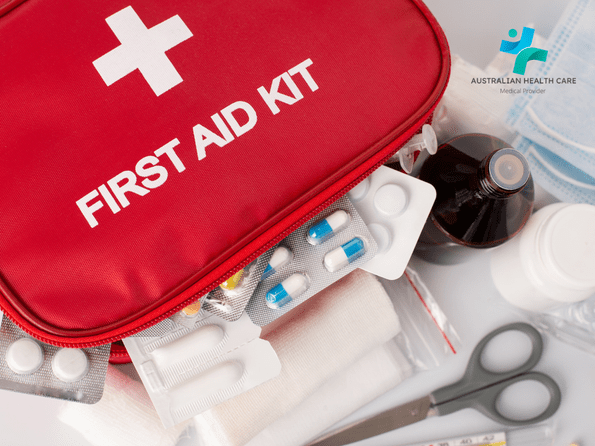
A first-aid kit is one of the most practical collections of health care supplies to keep at home.
Rather than gathering random products in several cupboards, keep first-aid supplies together so they are easy to find when needed. The container should protect the contents from dust, moisture and contamination, and adults in the home should know where it is stored.
Dressings, sterile saline, gloves, tape and other basic items can help with minor incidents while appropriate care is arranged.
Knowing how to use those items is just as important as owning them.
health direct recommends becoming familiar with the contents of the kit before an emergency occurs and notes that first-aid training can provide the practical skills needed to respond to injuries and emergencies.
It is also important to recognize when an incident is no longer suitable for basic home care. Severe bleeding, breathing difficulties, loss of consciousness or another serious emergency requires urgent assistance. In Australia, call Triple Zero (000) for an ambulance in a medical emergency.
A well-prepared home first-aid kit is therefore about readiness, not self-treatment of serious conditions.
Reusable hot and cold packs are common home health supplies because they are simple to store and can be used for certain minor injuries or comfort needs when appropriate.
However, heat and cold should not be applied carelessly.
The pack should always be prepared and used according to the manufacturer’s instructions. Skin should be protected from extreme temperatures, and the product should not be used for longer than recommended.
The appropriate choice between heat and cold also depends on the situation. For example, health direct advises cold compresses for the early stage of a black eye and later suggests a warm, but not hot, compress. That specific guidance illustrates why the treatment approach can change according to the type and stage of an injury rather than following one rule for every condition.
If you are unsure whether heat or cold is suitable for a particular injury, ask a doctor, pharmacist, physiotherapist or other appropriate health professional.
People with reduced sensation, circulation problems or other health conditions may also need individual advice before applying temperature-based products.
Comfort products should make basic home care easier, but they should never delay assessment of pain, swelling or another symptom that is severe, unexplained or getting worse.
Mobility equipment can support people who have difficulty moving around independently, but choosing a walking aid requires more consideration than selecting a color or finding the cheapest option.
Walking sticks, walking frames and collators differ in their design, level of support, braking systems, dimensions and intended use.
A collator with wheels and a seat, for example, serves a different purpose from a basic walking frame. One product may be convenient for a person who needs support while walking longer distances, while another may provide a different level of stability.
The correct choice depends on the user.
Height adjustment is important because a poorly adjusted walking aid can be uncomfortable and difficult to use correctly. Width matters if the equipment needs to pass through narrow hallways or doorways. Weight can matter if the user or carer needs to lift the product into a vehicle.
For wheeled devices, look closely at the braking system and make sure the intended user can operate it comfortably.
This is one area where professional assessment can be particularly valuable. A physiotherapist or occupational therapist may be able to assess mobility, the home environment and the person’s ability to use equipment safely.
A medical supply store can explain product specifications and differences between models, but that is not the same as assessing an individual’s clinical mobility needs.
Healthcare equipment for the home extends beyond walking aids.
Depending on the person’s needs, products may include shower chairs, bathroom supports, pressure-care cushions, supportive pillows, over-toilet aids, rehabilitation equipment and other daily-living products.
The best choice begins with the task the person is finding difficult.
If bathroom access is the problem, measure the available space before ordering equipment. Check the overall product dimensions, seat size where relevant, adjustment range, user weight limit and how the equipment is intended to be positioned.
For cushions, mattresses and other support products, consider dimensions and compatibility with the furniture or bed already being used. A product that does not physically fit the intended space is unlikely to provide a practical solution.
Cleaning also deserves attention.
Products used in bathrooms, bedrooms and daily care may need regular cleaning, so check what materials are used and what cleaning method the manufacturer recommends. Avoid assuming that every surface can be treated with the same disinfectant or cleaning chemical.
This is also where product information becomes especially important. If a listing does not provide enough information about dimensions, adjustment or intended use, ask the supplier before ordering.
For products intended to address a specific health, mobility or pressure-care need, professional advice may be appropriate before purchase.
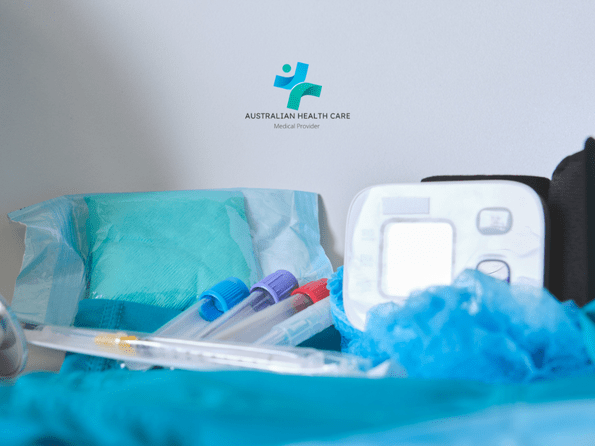
When several australian medical supplies appear similar online, price should not be the only comparison.
Start with intended use. A product should clearly explain what it has been designed to do and who is expected to use it.
Then look at dimensions and adjustment. This is particularly important for mobility products, bathroom aids, cushions and larger pieces of medical equipment.
Check what arrives with the product as well. Some devices require accessories, batteries, replacement components or consumables. Finding that out before ordering can prevent unexpected costs later.
Instructions should be available and understandable. If a device requires setup, check whether that setup can realistically be completed by the person or carer who will be using it.
For regulated medical devices, Australian requirements are also relevant. The TGA advises consumers to research online purchases carefully, buy from legitimate Australian suppliers and use its resources when checking therapeutic goods. It warns that products purchased from unverified overseas sources may not have been assessed in the same way for Australian supply.
The lowest online price can become poor value if the product is unsuitable, difficult to return or unsupported after purchase.
The better buying decision is usually the product that matches the user’s actual needs and comes with enough information to use and maintain it appropriately.
The supplier matters almost as much as the product.
A medical equipment store should make it reasonably easy to identify the business, understand what is being sold and find information about ordering, delivery, returns and support.
Product pages should contain useful specifications rather than relying only on marketing language. Where applicable, look for information about the manufacturer, intended use, dimensions, included accessories and safe operation.
Australian Health Care is one example of an online supplier offering categories including first aid, home care equipment, medical devices, mobility equipment, physical rehabilitation products and pressure-care products. Its current online catalog allows customers to compare a broad range of home and care-related products in one place.
If you are considering Australian Health Care or another medical supply store, use the same comparison process. Check the specifications, understand what you are ordering and contact the supplier when product information is unclear.
For medical devices, it can also be useful to check relevant TGA information. The TGA explains that, unless exempt or excluded, devices must be included in the Australian Register of Therapeutic Goods before they can legally be supplied in Australia.
A supplier can help explain what a product includes and how different models compare. Questions about diagnosis, treatment or whether a device is clinically suitable for a particular person belong with an appropriate health professional.
Health supplies are most useful when people can actually find them.
First-aid products should be stored together in a dry, protected place that adults can access quickly. health direct recommends keeping a first-aid kit in a safe and dry location that is easily accessible to adults and known to members of the household.
Other products need storage appropriate to their instructions.
Avoid leaving electronic medical devices in damp bathrooms unless the manufacturer specifically states that the device is suitable for that environment. Keep instruction manuals with equipment or make sure the electronic version can be located easily.
Products that may be dangerous for children should be stored securely.
organization is particularly useful when one person has several pieces of home health equipment. Keeping accessories and replacement components with the relevant device can prevent confusion later.
Cleaning routines should follow the manufacturer’s directions. Different plastics, fabrics, metals and electronic components may have different cleaning requirements.
If equipment is shared between people, hygiene becomes even more important. Check the instructions to understand which parts can be cleaned or replaced and whether the product is designed for multiple users.
Good storage is not complicated. The goal is simply to keep products in usable condition and make sure they are available when required.
Health supplies should not be placed in a cupboard and forgotten indefinitely.
First-aid kits need periodic checking because sterile packaging can become damaged and some items have expiry dates. health direct recommends checking first-aid kits after use or at least once every 12 months, replacing used items and confirming that products remain in good condition and within their expiry dates.
Battery-operated healthcare equipment should also be checked occasionally.
A thermometer or monitoring device is much less useful if its battery is flat when someone needs it. If the product uses a less common battery type, keeping a compatible replacement may be practical.
Consumable supplies need similar attention.
If a device depends on compatible strips, filters, pads, tubing or another replaceable component, make sure you know where replacements can be obtained and whether they have their own storage or expiry requirements.
Mobility and daily-living equipment should be visually inspected for obvious wear or damage. Brakes, adjustment mechanisms and moving parts should work as intended.
Do not attempt repairs that conflict with the manufacturer’s instructions. If equipment appears damaged or is no longer operating normally, stop using it where continued use could create a safety risk and contact the supplier, manufacturer or appropriate service provider.
Regular checking takes only a small amount of time but makes home health supplies much more useful when they are actually needed.

There are many questions a medical equipment store or medical supply store can appropriately help answer.
If you are deciding between two walking aids, the supplier may be able to explain differences in dimensions, adjustment ranges, weight limits, wheels or braking systems. For a bathroom product, they can clarify measurements, materials and included components.
They may also help with questions about replacement parts, compatibility, delivery, warranties and product instructions.
These are important buying questions because online photographs rarely show everything needed to judge whether an item will fit the intended person or environment.
Before contacting a supplier, it can help to take basic measurements and write down what you need the product to do. For mobility or home-care products, that may include doorway widths, available bathroom space, bed or chair dimensions and any specifications already recommended by a health professional.
This gives the supplier something practical to work with.
If you are comparing products from Australian Health Care or another provider and a specification is unclear, asking before ordering is generally better than guessing.
Supplier support is particularly useful when several products look similar but differ in ways that may affect everyday use.
A supplier’s role has limits.
A medical retailer can explain how products differ, but it should not replace your doctor, pharmacist, nurse, physiotherapist, occupational therapist or another qualified professional when the question involves diagnosis, treatment or clinical suitability.
If you are buying a mobility aid because someone has recently started falling or their ability to walk has changed, the underlying issue may need assessment rather than simply purchasing a walking frame.
Likewise, unexpected readings from home monitoring devices should be considered alongside symptoms and professional advice rather than interpreted only through an online product guide.
The TGA advises consumers who are unsure about a health product to seek advice from a doctor or health professional, particularly because some medical devices should only be used by, or with guidance from, an appropriately qualified practitioner.
For urgent medical concerns, do not spend time researching home equipment online. In an emergency in Australia, call Triple Zero (000). For non-emergency health questions, health direct also provides access to health information and professional guidance.
Choosing australian health supplies for the home is ultimately about being prepared without over complicating everyday care. Start with practical first-aid items, add monitoring or support products only where there is a clear need, and choose more specialized medical equipment according to the person, task and home environment.
When you are comparing products, pay attention to intended use, dimensions, instructions, ongoing consumables and supplier support rather than price alone. Maintaining those supplies properly is just as important as buying them.
Most importantly, know where home care ends and professional healthcare begins. The right product can make daily routines easier, but it should support appropriate care rather than replace it.
Choosing a blood pressure monitor can be confusing when several devices appear to offer similar features. When comparing products through

When buying medical equipment, it is reasonable to ask whether the product can legally be supplied in Australia. However, terms

Buying health products online can make it easier to compare equipment, find products for home care and order items without
Buying health products for home use can feel straightforward until several similar items appear to offer the same benefit. A