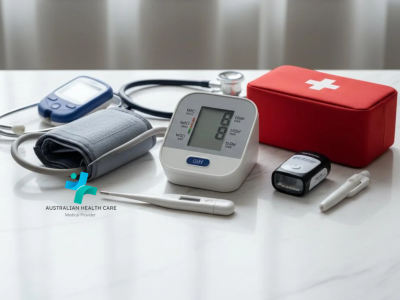
Medical Supply Store Guide to Home Healthcare Essentials
Having access to a reliable medical supply store makes it easier for Australian households to find healthcare products that support


A urinary bottle is a practical toileting aid for people who find it difficult to get out of bed or reach the bathroom independently. It may be helpful for older adults, people recovering from surgery and individuals with reduced mobility who need a convenient way to urinate while resting in bed. When used correctly, it can support personal comfort, hygiene and independence.
However, safe use involves more than simply placing a bottle beside the bed. The person’s position, the shape of the bottle, its capacity and the way it is handled can all affect comfort and the risk of spills. Regular cleaning is also important, particularly when the bottle is used frequently or with assistance from a carer.
This guide explains how to prepare, position, use and clean a urinary bottle safely, along with practical advice for choosing a suitable product for home care.
A urinary bottle is a portable container designed to collect urine when using a conventional toilet is difficult or impractical. Unlike a bedpan, which can accommodate both urine and bowel movements, a urinary bottle is intended specifically for urination. Different designs are available to suit individual anatomy, positioning requirements and mobility needs.
A urinary bottle may be useful for someone recovering from an operation, experiencing temporary mobility limitations or requiring assistance with bedside toileting. It can also support people who have difficulty walking to the bathroom, particularly during the night.
However, it is important to understand that urinary bottles do not treat incontinence, urinary retention or other bladder conditions. They are practical toileting aids, and people experiencing ongoing urinary problems should seek advice from an appropriate healthcare professional.
For people who struggle to transfer out of bed, having a suitable toileting aid nearby may reduce the need for unnecessary movement. This can be particularly helpful when getting up requires assistance or creates a risk of losing balance.
A urinary bottle may also allow someone to manage their toileting needs with greater privacy, provided they can safely position and handle the container. For other individuals, caregiver assistance may still be necessary.
The main benefit depends on the person’s circumstances. A bedside bottle should make toileting more manageable without requiring uncomfortable positioning, excessive reaching or movements that could cause injury.
Before introducing a urinary bottle into a daily routine, consider whether the person can use it comfortably and whether additional support is required.
Comfortable positioning is an important part of using a urinary bottle safely. Depending on the person’s mobility and the product’s design, a supported sitting or reclining position may provide better control than lying completely flat.
Before use, the person should be positioned so they can reach the bottle without twisting, straining or making sudden movements. Pillows or adjustable bed supports may be helpful when they are appropriate for the individual’s care needs.
Some people may find it difficult to position the bottle independently, particularly after surgery or when movement is restricted. In these situations, assistance from a trained carer or guidance from a healthcare professional may be necessary.
Not every bottle is designed for use while lying flat, so the manufacturer’s instructions should always be checked.
Preparing the bedside area before using a urinary bottle can help make the process more comfortable and reduce unnecessary movement.
The bottle should be clean, empty and positioned somewhere the user or carer can reach safely. A stable bedside surface, suitable lighting and a clear path for anyone providing assistance can help make toileting easier.
Keeping tissues, cleansing materials and appropriate hand hygiene supplies nearby may also be useful. A waterproof mattress protector or absorbent bed pad can provide additional protection against accidental spills, particularly when a person is learning to use a new bottle.
If assistance is required, the carer should be ready before the person begins. This helps avoid rushed positioning or unnecessary movement during toileting.
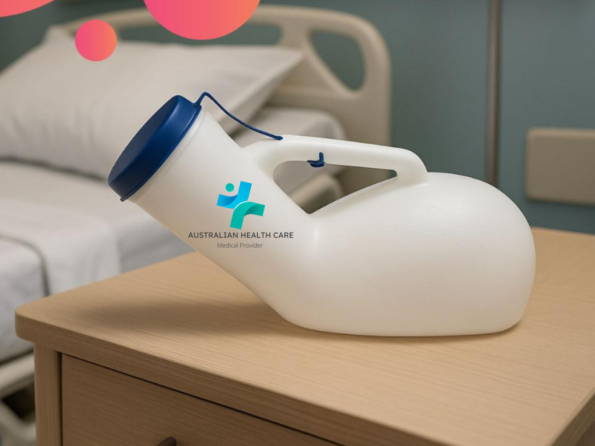
Before using a urinary bottle, check that it is clean, empty and free from cracks or damage. The person should then move into a comfortable, supported position that allows the bottle to be used according to its instructions.
Once clothing and bedding have been adjusted, position the bottle’s opening carefully to collect urine without placing uncomfortable pressure on the body. Male urinal bottles generally have an opening designed to accommodate the penis, while female designs often use a wider or differently shaped opening that may require additional positioning support.
The bottle should remain steady during use, with the opening positioned to minimise leakage. Someone who cannot hold or position the container safely may need assistance from a carer.
After urination, remove the bottle carefully, keeping the opening upright to avoid spilling its contents. Check that the person is comfortable, adjust clothing and bedding, and place the container on a secure surface before emptying it.
If positioning causes pain or discomfort, stop and seek advice rather than forcing the bottle into place.
Spills can occur when a urinary bottle is incorrectly positioned, overfilled or handled without adequate support. Choosing a container with a suitable opening, manageable capacity and comfortable handle can help reduce these problems.
Some products include lids or spill-resistant features, but these should not automatically be considered completely leakproof. The bottle should generally remain upright unless the manufacturer specifically states that another position is safe.
After use, carry the container carefully to the toilet and empty it slowly to minimise splashing. Avoid placing a used bottle on food preparation surfaces or other areas where contamination may occur.
The bottle should then be cleaned according to the manufacturer’s instructions, and anyone handling it should wash their hands thoroughly.
Regular cleaning is important when using a reusable urinary bottle because urine residue can contribute to unpleasant odours and contamination.
After emptying the container, follow the manufacturer’s cleaning instructions. Depending on the product, this may involve rinsing and washing it with a suitable cleaning solution, followed by thorough rinsing and drying.
Cleaning requirements can vary between products, particularly when bottles have removable lids, specialised openings or spill-resistant components. These areas may require additional attention because residue can collect around joints and difficult-to-reach surfaces.
Avoid using boiling water, abrasive products or strong disinfectants unless the manufacturer confirms they are suitable for the bottle’s material.
A reusable urinary bottle should be cleaned promptly after use and stored appropriately once dry.
Leaving urine inside a bottle for extended periods can contribute to unpleasant smells and make cleaning more difficult. Prompt emptying and suitable washing practices help maintain the condition of the container.
It is also important to inspect a urinary bottle regularly for cracks, discolouration, damaged lids or rough edges. A damaged container may become difficult to clean or more likely to leak, making replacement a safer option.
Reusable bottles should generally be allocated to one person unless the product is specifically designed for shared clinical use and suitable reprocessing procedures are followed.
For home care, keeping the bottle clean, dry and separate from personal items or food-related surfaces can support a more hygienic environment.
Good maintenance helps ensure the product remains practical and comfortable for continued use.

Choosing a urinary bottle begins with understanding the user’s physical needs and how the product will be positioned.
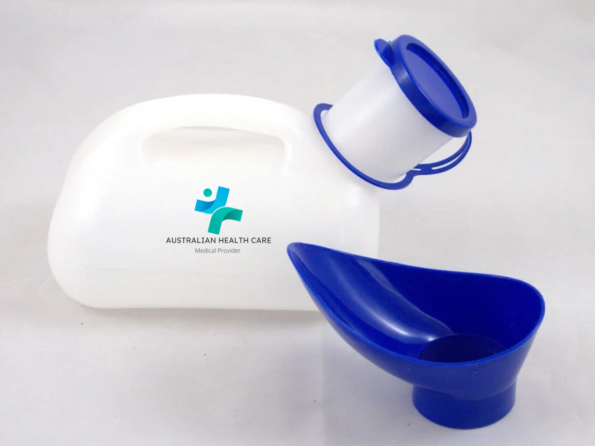
Male and female designs often have different openings to accommodate anatomical differences. Some bottles also include shaped handles, measurement markings, removable lids or specialised spill-resistant features.
Capacity is another consideration. A larger bottle may reduce the likelihood of overfilling, but it can also become heavier and more difficult to handle when full. Someone with limited grip strength may benefit from a lightweight design and an accessible handle.
When comparing products, consider whether the bottle can be used comfortably in the person’s usual resting position and whether it can be emptied and cleaned easily.
The most suitable option is not necessarily the largest or most expensive product. It is the one that matches the user’s mobility, comfort and handling requirements.
When purchasing from a medical equipment store, review the product’s intended use, design, material, capacity and cleaning instructions.
Australian customers searching for australian health supplies may find urinary bottles listed alongside home health supplies, urology supplies and other health care supplies. These categories can also include bedside toileting aids, bed protection and equipment intended to support daily living.
Australian Health Care provides an online range of home care equipment, mobility products and other healthcare supplies. Customers can explore its home care equipment range and check the online shop for relevant products and current availability.
Before ordering a urinary bottle, confirm that the selected design suits the user and check any product-specific care requirements. If the person has significant mobility restrictions or complex toileting needs, advice from an occupational therapist or continence professional may be helpful.
Some people can use a urinary bottle independently, while others may need help with positioning, clothing or handling the container.
Carers should begin by explaining the process and asking the person’s permission before providing assistance. Allowing someone to complete the parts of the task they can safely manage helps respect their independence and dignity.
When assistance is required, the carer should ensure the person is comfortably supported and follow any existing care instructions. Repositioning should never involve unsafe lifting, pulling or twisting.
Appropriate hand hygiene and protective equipment, such as disposable gloves when contact with urine is possible, can help reduce contamination risks.
After use, the carer should assist with emptying, cleaning and returning the urinary bottle to an accessible location, while checking that the person is comfortable.
Bedside toileting can feel uncomfortable or embarrassing for someone who is accustomed to managing their personal care independently. Respectful communication and maintaining privacy are therefore important.
Carers should allow sufficient time for toileting and avoid rushing the person. Once the urinary bottle has been removed, the skin should be cleaned and dried appropriately, particularly if urine has spilled onto clothing or bedding.
If the person repeatedly struggles to use the bottle, a different toileting aid or professional assessment may be more appropriate.
New pain when urinating, blood in the urine, fever or significant changes in urinary habits should be discussed with a healthcare professional. If the person feels their bladder is full but cannot pass urine at all, seek urgent medical attention.
A urinary bottle can support bedside toileting, but it should not delay medical assessment when concerning symptoms occur.
A consistent routine can make bedside toileting easier for both the user and anyone providing assistance.
Before each use, check that the urinary bottle is clean, empty and positioned within safe reach. Ensure the bedside area is adequately lit and that the person can use the container without unnecessary stretching or movement.
If assistance is needed, arrange it before toileting begins. After use, empty and clean the bottle, check for spills and make sure the person is comfortable.
Regularly inspect the container for damage and follow the manufacturer’s maintenance recommendations.
Other home health supplies, such as absorbent bed pads or suitable toileting aids, may also support a person’s care routine depending on their needs.
The goal is to establish a practical approach that supports comfort, cleanliness and independence without introducing additional safety risks.
Although a urinary bottle can be useful, it is not suitable for everyone. People who cannot position the container, have difficulty holding it steady or require assistance with transfers may need another solution.
A bedside commode, bedpan or other continence product may be more appropriate depending on the person’s mobility, toileting needs and care arrangements.
An occupational therapist, nurse continence specialist or other appropriate healthcare professional can help assess which equipment may be suitable.
Australian Health Care offers home care equipment and related healthcare products for people managing everyday support needs. Readers can visit Australian Health Care to explore the available range and enquire about relevant products.
Before purchasing, compare the product’s design, capacity, cleaning instructions and intended use. Choosing a suitable urinary bottle and using it correctly can help make bedside toileting more comfortable, hygienic and manageable for people who need additional support.
Having access to a reliable medical supply store makes it easier for Australian households to find healthcare products that support

Access to suitable australian medical supplies can make everyday activities more manageable for people living with disability. From mobility equipment

Choosing suitable australian health supplies for aged care can help older Australians manage everyday activities with greater comfort, safety and

Choosing a blood pressure monitor can be confusing when several devices appear to offer similar features. When comparing products through