
Australian Medical Supplies: Aged Care Equipment Made Simple
Choosing suitable australian health supplies for aged care can help older Australians manage everyday activities with greater comfort, safety and

Australian health supplies can help people manage daily care, recovery, comfort, and safety at home. These products may support older people, people with disability, carers, families, and anyone recovering from illness, injury, or surgery.
The right product can make daily tasks easier. It may help someone move around more safely, use the bathroom with more confidence, check basic health readings, or stay more comfortable during rest and recovery.
Home care is also becoming more important in Australia. Many families want practical ways to support people at home while they wait for services, manage care needs, or prepare for recovery. Recent aged care reporting has shown pressure on home support services and growing demand for in-home help, which makes clear product guidance more useful for buyers.
Before buying health care supplies, start with the person’s daily needs. Some people need help with walking. Others need bathroom support, pressure care, hygiene supplies, or simple monitoring equipment.
A product should match the user, the home layout, and the level of support needed. For example, a shower chair may help someone who feels unsteady while bathing. A raised toilet seat may help someone who finds it hard to sit or stand. A blood pressure monitor may support regular checks at home, if a health professional has advised monitoring.
Good home care products should feel practical and easy to use. They should not make daily routines more confusing. The product should also suit the person’s size, strength, movement, and comfort level.
This is why buyers should avoid choosing only by price. A low-cost item may not suit the user. A more expensive product may also be unnecessary if the care need is simple. The better choice is the product that fits the real situation.
Home health supplies cover a wide range of products. Some items help with movement. Others help with hygiene, comfort, monitoring, or daily care.
For many families, the first step is to work out which part of the home needs support. The bathroom, bedroom, hallway, and living area often need different products.
Mobility products may include walking sticks, rollators, wheelchairs, transfer aids, and support cushions. These items can help people move with more confidence, depending on their needs and ability.
Bathroom and hygiene products may include shower chairs, commode chairs, raised toilet seats, continence items, and non-slip support products. Monitoring products may include blood pressure monitors, thermometers, pulse oximeters, or blood glucose meters. Buyers should follow medical advice when using monitoring equipment for health decisions.
Comfort matters because people are more likely to use products that feel simple and supportive. If a chair feels too low, a cushion feels too firm, or a device is hard to read, the product may not help as expected.
Ease of use also matters for carers. A product that is simple to clean, move, adjust, or store can make daily routines smoother. This is especially important when care happens every day.

Healthcare equipment should suit the person and the home. A product may look suitable online, but it still needs the right size, function, and support features.
Before buying, compare the product details carefully. Check measurements, weight limits, materials, cleaning instructions, warranty details, and whether the product needs setup.
Size and fit can affect safety and comfort. A shower chair must fit the bathroom space. A wheelchair must suit the user and the doorway width. A walking aid must suit the person’s height and balance needs.
Function also matters. Some products support short-term recovery. Others suit long-term daily care. If the product does not match the care need, it may create more problems than it solves.
Quality does not only mean strong materials. It also includes clear instructions, safe design, reliable parts, and practical after-sales support.
When comparing Australian medical supplies, check whether the product includes user instructions. Look for care details, warranty information, and supplier contact options.
Medical equipment can support many different situations. Some people need equipment for short-term recovery. Others need ongoing help with mobility, bathing, toileting, or daily comfort.
The right choice depends on the user’s condition, the home setup, and any advice from a doctor, nurse, occupational therapist, or other health professional.
Bathroom safety products can help reduce strain during washing and toileting. Common options include shower stools, shower chairs, commode chairs, raised toilet seats, and grab rail support. Some items may need professional installation or advice, especially if they attach to walls or need to support body weight.
Mobility and recovery products can include walking aids, wheelchairs, cushions, back supports, and transfer products. These items should match the user’s strength, balance, and daily routine. If the person’s needs are changing quickly, ask for clinical advice before buying.
Carers often need products that make care safer and easier to manage. This may include gloves, hygiene items, bedding protection, support cushions, mobility aids, and simple monitoring tools.
Good products can help carers save time and reduce strain. They can also make the person receiving care feel more comfortable. The goal is to support daily routines without making the home feel harder to manage.

A medical equipment store should help buyers understand what they are purchasing. It should provide clear product information, useful advice, and support when people are unsure.
This matters because many health products are personal. A product that suits one person may not suit another. The store should help buyers compare options in a practical way.
A good medical supply store should offer products for different needs. This may include home health supplies, mobility aids, bathroom equipment, monitoring products, and daily living aids.
Product knowledge is also important. Buyers may need help understanding size, use, cleaning, storage, and product differences. Clear advice can help people avoid buying the wrong item.
Delivery matters when buyers need larger items such as wheelchairs, shower chairs, commode chairs, or bulky healthcare equipment. Check delivery timing, costs, and whether the item arrives assembled or boxed.
Warranty and after-sales support also matter. If a product has parts, batteries, accessories, or setup needs, the supplier should explain what support is available. This helps buyers feel more confident after purchase.
Choosing the right product starts with the person, not the product name. Think about what the person needs help with each day. Then match the product to that task.
This approach helps you avoid buying products that look useful but do not solve the real problem. It also helps you choose items that fit the home and the person’s routine.
Ask what task the product needs to support. Is it for walking, bathing, toileting, recovery, comfort, monitoring, or carer support? Also ask who will use it, how often they will use it, and where it will be stored.
Next, check the person’s height, weight, movement, grip strength, and comfort needs. For larger items, measure the room, doorway, shower space, or bedside area. These simple checks can prevent many buying mistakes.
Specialist advice can help when the user has complex needs, limited movement, fall risks, or changing health conditions. It can also help when you are choosing between similar products.
A supplier can explain product differences in plain English. A health professional can guide clinical suitability when the product relates to safety, mobility, injury recovery, or medical monitoring. If you are unsure, it is better to ask before buying.

You should contact Australian Health Care when you need help comparing products, checking availability, or choosing home health supplies for a specific need. This is useful when you are buying for an older person, a family member, a patient, or someone recovering at home.
The company name fits naturally here because buyers may need support from a medical equipment store that understands practical home care products. The goal is to help people choose items that suit their home, routine, and comfort needs.
Contact Australian Health Care if you are unsure which product suits the user. You may need help comparing bathroom equipment, mobility aids, monitoring devices, cushions, daily living aids, or other health care supplies.
This can save time and reduce confusion. It can also help you understand product size, use, storage, cleaning, and support options before you purchase.
You should also contact a supplier when you need replacement products, accessories, or guidance on related items. For example, someone buying a shower chair may also need non-slip support, hygiene supplies, or a safer bathroom layout.
A practical next step is to list the person’s daily care needs. Then check the home space, product size, and support requirements. From there, you can compare australian health supplies with more confidence and choose products that make daily care easier to manage.
Choosing suitable australian health supplies for aged care can help older Australians manage everyday activities with greater comfort, safety and
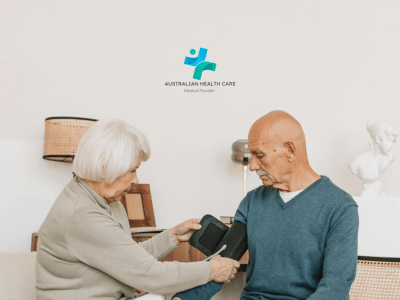
Choosing a blood pressure monitor can be confusing when several devices appear to offer similar features. When comparing products through

When buying medical equipment, it is reasonable to ask whether the product can legally be supplied in Australia. However, terms
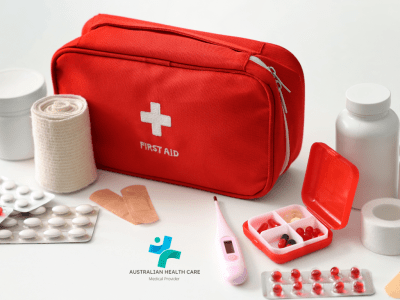
Keeping a small selection of practical health products at home can make everyday care easier when someone needs basic first