
Medical Equipment Store: Choosing Blood Pressure Monitors AU
Choosing a blood pressure monitor can be confusing when several devices appear to offer similar features. When comparing products through

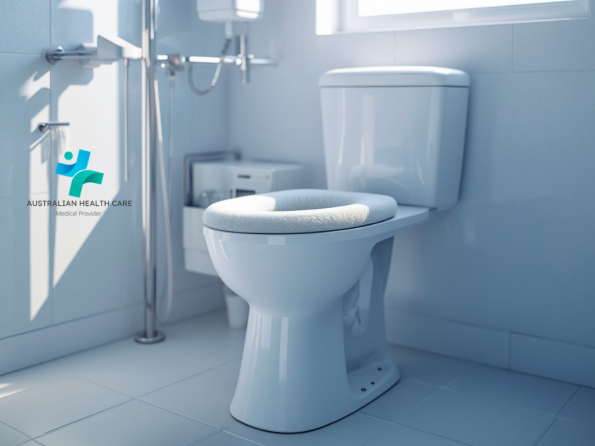
Bathroom routines are personal. They should feel safe, clean, and comfortable. However, for many people, using the bathroom can become harder after surgery, illness, injury, ageing, or reduced mobility.
This is where bathroom medical equipment can make daily care easier. The right product may reduce strain during toileting, support better hygiene, and help a person feel more confident at home. It can also make caring tasks more practical for family members, support workers, and carers.
Bathroom support is not only about safety. It is also about comfort, dignity, and independence. A simple product can sometimes make a big difference to how a person manages their daily routine.
Not every home needs major changes straight away. In many cases, simple bathroom and toileting aids can help make everyday tasks more manageable.
For example, a person who feels discomfort when sitting on a standard toilet seat may benefit from a soft toilet seat cushion. Others may look for a toilet seat pillow, cushion toilet seat, or cushioned toilet seat to add extra comfort during regular use.
Someone with limited mobility may also need extra support during the night. A urinary bottle may be useful when walking to the bathroom feels difficult, unsafe, or tiring. This can be especially helpful during recovery, after surgery, or when mobility changes over time.
The goal is not just convenience. It is about helping the person feel safer, cleaner, and more comfortable in their own home.
Bathroom support can be useful for older Australians who want to stay independent at home. It can also help people recovering from surgery, people living with disability, and people with reduced strength, balance, or flexibility.
Carers may also need practical health care supplies to make daily support easier and more respectful. This is especially important when helping someone with private tasks such as toileting, bathing, or continence care.
Needs can change over time. A product that works during short-term recovery may not be the best option later. That is why it helps to review comfort, safety, hygiene, and mobility regularly.
Bathroom and toileting aids come in many forms. Some products focus on comfort. Others support hygiene, access, balance, or continence care.
Before buying, it helps to think about the person’s daily routine. Consider what feels difficult now. It may be sitting down, standing up, getting to the toilet at night, cleaning the product, or moving safely in a small bathroom.
These details matter because the best product is the one that suits the person’s real needs.
Toilet comfort products are often simple, but they can be very helpful. A soft toilet seat cushion may suit someone who finds a standard toilet seat too hard. A toilet seat pillow may help when a person needs extra comfort while sitting.
A cushion toilet seat or cushioned toilet seat may also be considered when pressure, soreness, or general discomfort is a concern. However, comfort should always be balanced with safety. A toilet cushion should sit securely and should not move around during use.
It is also important to check the size and shape of the toilet before buying. The product should fit properly, attach securely, and be easy to wipe clean. If it is used every day, the material should also suit regular bathroom use.
A urinary bottle can be useful for people who cannot always reach the toilet safely. It may help during night-time routines, recovery periods, or times when walking to the bathroom is difficult.
When choosing this type of product, think about how easy it is to hold, empty, clean, and store. Capacity, shape, grip, spill resistance, and privacy are also important. A product that is simple to use can make daily care easier for both the user and the carer.
For carers, practical design matters. A product that is difficult to clean or awkward to handle may create extra stress and may not be suitable for regular use.
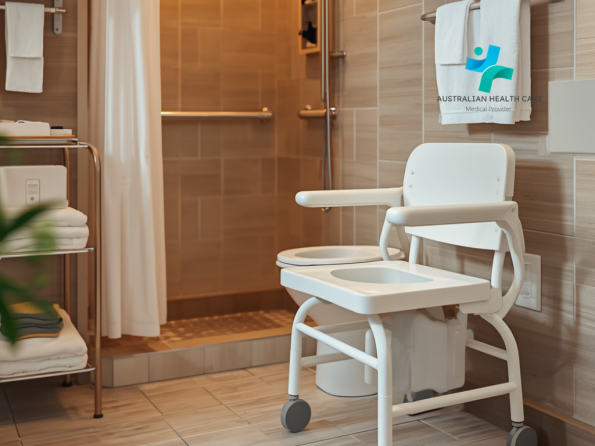
The best product is not always the most expensive one. It is the one that suits the person, the bathroom, and the daily routine.
A good choice should support comfort, dignity, hygiene, and safe use. It should also be practical enough for everyday care.
Start with the person’s main challenge. If sitting is uncomfortable, a cushioned option may help. If walking to the toilet at night is difficult, a urinary bottle may be more practical.
If standing up from the toilet is hard, a cushion alone may not be enough. The person may need a different toilet aid or advice from a health professional. This is especially important if balance, pain, surgery recovery, or fall risk is involved.
Think about whether the person can sit and stand without help. Consider whether they feel pain while sitting, need support at night, or need a carer during toileting. Also look at the bathroom layout. A narrow or crowded space may affect which product is suitable.
This step helps avoid buying an item that looks useful online but does not work well in the home.
Bathroom products need to be easy to clean. This is especially important for items used daily.
Before buying, check the product measurements and compare them with the toilet or bathroom space. Make sure the product suits the user as well as the room. Read any care instructions before use.
Wipeable surfaces, water-resistant materials, secure attachment, smooth edges, and easy storage can all make a product more practical. If weight limits apply, these should also be checked before ordering.
If the product will be used by someone with sensitive skin, pressure discomfort, or medical needs, ask a qualified professional before choosing. Any claim about pressure relief, clinical support, or medical benefit should be confirmed with the product supplier or a health professional.
Bathroom safety is about more than one product. The full space matters.
A useful aid can still become unsafe if the bathroom is cluttered, wet, poorly lit, or difficult to move through. That is why it helps to look at the whole bathroom routine, not only the item being purchased.
Start with simple changes. Keep the floor dry. Remove loose mats if they slide. Make sure everyday items are easy to reach. Check that the pathway to the toilet is clear, especially at night.
Good lighting can also help. A person who uses the bathroom at night may benefit from better visibility along the walkway and inside the bathroom.
If someone has repeated slips, near falls, or transfer problems, basic products may not be enough. In that situation, advice from an occupational therapist, GP, nurse, or aged care provider may be needed.
Hygiene is a key part of bathroom care. Products should be simple to wipe, rinse, dry, and store.
If a product has seams, covers, soft surfaces, or removable parts, check how it should be cleaned. This is important for comfort products as well as toileting aids.
For items like a urinary bottle, cleaning should be part of the daily routine. For toilet cushions, check whether the surface can handle regular wiping and bathroom moisture.
A product that is comfortable but hard to clean may not be the best long-term choice.

Buying health care supplies is not only about price. It is also about product suitability, clear information, and reliable support.
This is especially true for bathroom products because they are used in private, practical, and sometimes sensitive routines. A good supplier should make it easier to compare options and understand what each product is designed to do.
When comparing suppliers, look for clear product descriptions. The information should help you understand the size, use, materials, cleaning needs, and suitability of each product.
It also helps to choose a supplier that offers a useful product range. This makes it easier to compare bathroom aids, toileting aids, continence products, and home health supplies in one place.
Delivery details, product care guidance, contact options, and support information are also important. Avoid choosing only by the lowest price. A cheaper product may not be suitable if it does not fit, is difficult to clean, or does not meet the user’s needs.
Australian Health Care may be useful for people comparing australian health supplies, home health supplies, and bathroom-related care products.
For example, a buyer may want to compare toileting aids, comfort products, or general health care supplies before making a decision. In that situation, it helps to review product details carefully and contact the supplier if sizing, use, or care instructions are unclear.
This kind of support can be especially helpful when the buyer is choosing for someone else, such as a parent, partner, client, or patient.
Some bathroom needs are simple. Others are more complex.
If a person has pain, poor balance, recent surgery, frequent falls, skin issues, continence concerns, or difficulty transferring, it is worth asking for professional guidance before choosing equipment.
A simple cushion or urinary bottle may help in some situations, but it may not solve every problem.
Professional advice may be needed if the person has fallen or nearly fallen in the bathroom. It may also be needed if standing from the toilet is difficult, pain is getting worse, or the person needs hands-on help to transfer.
Skin pressure, soreness, changing continence needs, and uncertainty about product safety are also signs that extra guidance may be useful.
An occupational therapist can often assess the home setup and recommend suitable equipment. A GP, nurse, continence advisor, or aged care provider may also help depending on the person’s needs.
Contact the supplier before ordering if you are unsure about fit, use, cleaning, or product suitability.
This is especially helpful when choosing a soft toilet seat cushion, toilet seat pillow, cushion toilet seat, cushioned toilet seat, urinary bottle, or other bathroom medical equipment for regular use.
You should also contact the company if the product is for someone with medical needs, recent surgery, or higher support needs. A supplier can explain product details and help compare options, but they should not replace clinical advice where clinical advice is needed.

Before buying bathroom medical equipment, take a few minutes to check the person’s needs and the bathroom setup.
This can help avoid returns, discomfort, or unsafe use. It can also make the product more useful from the first day.
Start by asking what problem the product needs to solve. It may be comfort, hygiene, safety, access, continence support, or a mix of these needs.
Next, think about whether the person will use the product alone or with help from a carer. Check whether it fits the toilet or bathroom space. Make sure it is easy to clean and stable during use.
It is also important to check the product material, care instructions, and suitability for bathroom conditions. If there is any doubt, contact the supplier before ordering or ask a health professional for advice.
If you are comparing options, it may help to browse related categories such as bathroom aids, toilet aids, continence products, health care supplies, and home health supplies.
You may also want to compare product details side by side before choosing. Look at comfort, cleaning, sizing, stability, and ease of use. These practical details often matter more than appearance or price alone.
Choosing the right bathroom support product can make daily routines easier, safer, and more comfortable. With the right information, families and carers can make better decisions for the person they support.
Choosing a blood pressure monitor can be confusing when several devices appear to offer similar features. When comparing products through

When buying medical equipment, it is reasonable to ask whether the product can legally be supplied in Australia. However, terms
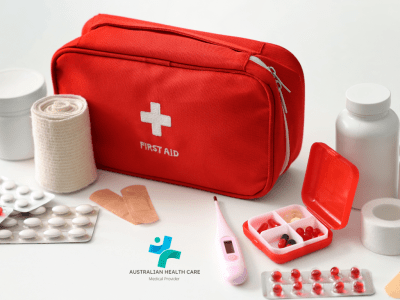
Keeping a small selection of practical health products at home can make everyday care easier when someone needs basic first

Buying health products online can make it easier to compare equipment, find products for home care and order items without