Medical Equipment Store: Choosing Blood Pressure Monitors AU
Choosing a blood pressure monitor can be confusing when several devices appear to offer similar features. When comparing products through


Home-based healthcare has become increasingly common across Australia. Whether supporting recovery after surgery, managing a long-term health condition, assisting an ageing family member, or maintaining independence at home, having access to the right australian medical supplies can make a significant difference.
However, choosing suitable products can sometimes feel overwhelming. With thousands of items available across multiple categories, understanding what is needed and how products differ can help consumers make more informed decisions.
The best healthcare products are not necessarily the most expensive. Instead, they should match the user’s needs, support safety and comfort, and provide practical benefits for everyday living.
Advances in healthcare technology and changing care preferences have made home-based support more accessible than ever. Many Australians now receive rehabilitation, ongoing treatment, and personal care within their own homes rather than relying solely on hospitals or care facilities.
This approach often provides:
As a result, access to quality healthcare products has become increasingly important.
Medical products support a wide range of health needs, from basic comfort and personal care to rehabilitation and ongoing medical management.
Depending on the situation, supplies may assist with:
Selecting appropriate products can help individuals maintain confidence and improve quality of life.
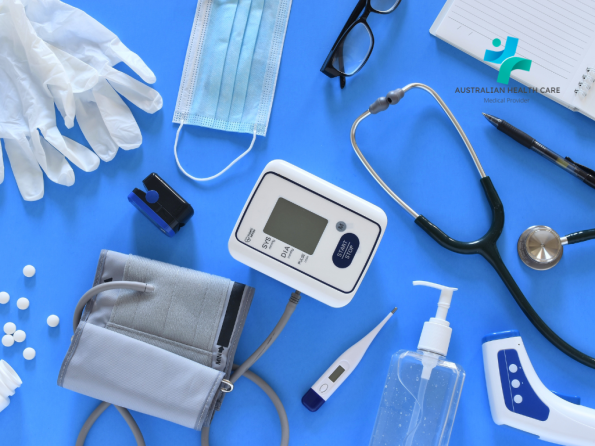
Australian households use a broad range of healthcare products depending on individual requirements.
Common categories include:
Each category serves a specific purpose and should be selected according to the user’s needs.
No two people require exactly the same products.
Factors that often influence purchasing decisions include:
Understanding these factors helps ensure products are both practical and effective.
Medical equipment refers to products designed to support health, mobility, monitoring, or rehabilitation.
Examples include:
Many of these products are designed specifically for home use and can help users remain independent for longer.
Appropriate medical equipment can make everyday activities easier and safer.
Benefits may include:
When equipment is matched correctly to individual needs, it can contribute significantly to overall wellbeing.
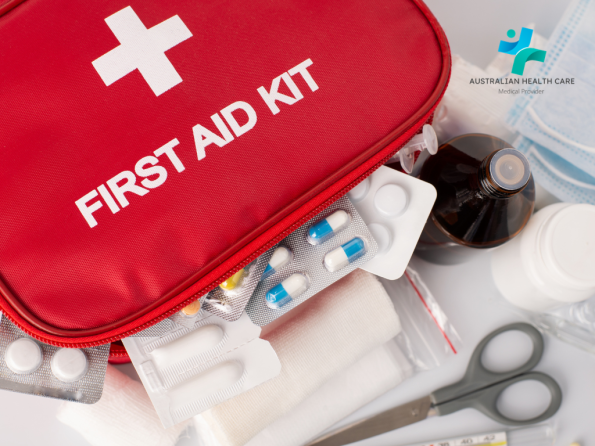
Wound care dressing supplies are designed to help protect wounds, support healing, and maintain hygiene.
These products may include:
The appropriate dressing depends on the type, size, and location of the wound.
Individuals should always follow healthcare professional advice regarding wound care management.
Several factors are important when choosing wound care products:
Using suitable products can help improve comfort and support effective wound management.
Many consumers search for hospital supplies near me when they need products quickly or require professional assistance.
Local suppliers may offer:
For urgent needs, local availability can be particularly valuable.
Wholesale healthcare supplies are often suitable for:
Purchasing larger quantities may help improve stock management and reduce frequent reordering requirements.
Consumers purchasing for personal use may not always require wholesale quantities, so it is important to evaluate actual needs before buying.
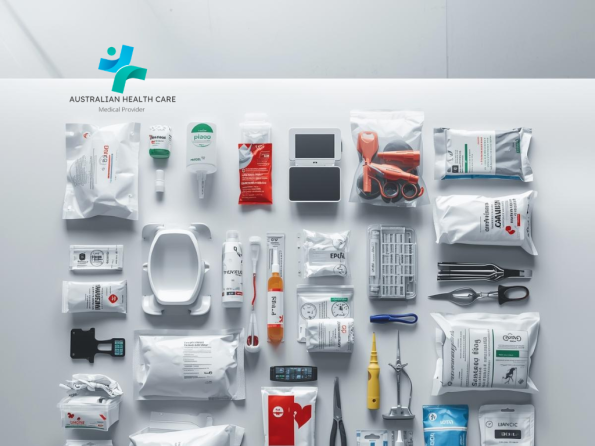
Choosing the right medical supply store involves more than comparing prices.
Important considerations include:
A reliable supplier should provide clear product information and support customers throughout the purchasing process.
Long-term value often comes from selecting products that are durable, suitable, and supported by reputable suppliers.
When comparing options, consider:
For consumers seeking a broad range of healthcare products, Australian Health Care provides access to medical equipment, mobility solutions, wound care dressing supplies, and other healthcare products that support home-based care and independent living.
Professional guidance may be beneficial when:
Healthcare professionals can often recommend products based on individual circumstances and treatment goals.
Healthcare providers, occupational therapists, physiotherapists, and product specialists can assist with:
Their expertise can help consumers avoid purchasing products that may not be suitable for their situation.
Choosing a blood pressure monitor can be confusing when several devices appear to offer similar features. When comparing products through

When buying medical equipment, it is reasonable to ask whether the product can legally be supplied in Australia. However, terms
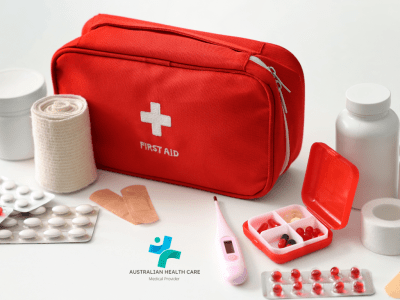
Keeping a small selection of practical health products at home can make everyday care easier when someone needs basic first

Buying health products online can make it easier to compare equipment, find products for home care and order items without