
Medical Equipment Store: Choosing Blood Pressure Monitors AU
Choosing a blood pressure monitor can be confusing when several devices appear to offer similar features. When comparing products through

Choosing australian health supplies is often a practical decision. Families, carers, older adults, and people recovering at home may need products that make daily routines easier, safer, and more comfortable.
These products can support rest, toileting, hygiene, bathroom access, and personal care. They may seem simple, but the right product can make a real difference to everyday comfort. For example, a supportive pillow may help someone rest in a better position. A toileting aid may make bathroom routines easier. A bathroom support product may also reduce stress for both the user and the carer.
The key is to choose products based on real needs, not just price or appearance. A product should suit the person, fit the home, and be simple enough to use each day.
Home care is personal. A person may need help with small tasks that affect their comfort and dignity every day. This may include sitting more comfortably, getting to the bathroom, managing night-time needs, or finding a pillow that feels more supportive.
Good home health supplies should be easy to understand and simple to use. They should also suit the person’s ability, strength, mobility, and home setup.
For carers, practical design matters too. Products should be easy to clean, store, move, and maintain. This helps make care routines smoother and less stressful, especially when the same products are used several times a day.
When buying in Australia, it helps to choose products with clear local information. A supplier should provide Australian delivery details, warranty terms, contact support, product measurements, and return information.
This is especially important for items used in bathrooms or personal care. If a product does not fit the user or the home setup, it may not be safe or useful.
Home health supplies include many different product types. Some support comfort. Some help with toileting. Others are used for hygiene, rest, mobility, or bathroom routines.
Before buying, it is helpful to think about the main problem you want to solve. This makes it easier to compare products and avoid choosing something that does not suit the user.
Common home care products may include pillows, bathroom aids, toilet seat cushions, urinary bottles, hygiene products, daily living aids, and comfort supports.
For example, a butterfly cervical pillow may be considered by someone looking for more structured neck support during rest. A soft toilet seat cushion may be useful for someone who finds a standard toilet seat uncomfortable. A urinary bottle may help with night-time toileting needs, travel, or limited mobility.
These products are not all the same. Each one should be chosen based on comfort, ease of use, cleaning needs, and the person’s physical ability. It is also worth checking whether the product is suitable for daily use, short-term recovery, or occasional support.
A product that works well in one home may not be right for another. Bathroom size, toilet height, user strength, mobility, carer support, and cleaning routines can all affect the best choice.
For example, a cushioned toilet seat may suit someone who needs extra sitting comfort, but it still needs to fit the toilet properly. A urinary bottle may be useful, but it should be easy to hold, empty, and clean.
A good buying decision starts with the person’s daily routine. Ask what task is difficult, when the issue happens, and what would make the routine easier. This approach helps you choose a product that solves a real problem instead of adding another item that may not be used.
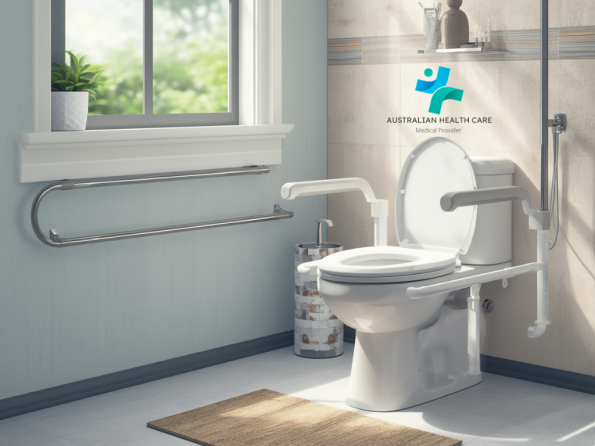
Bathroom medical equipment should be chosen carefully because bathrooms can be small, wet, and difficult to move around in. Even simple products should be checked for fit, stability, cleaning, and safe use.
This does not mean every household needs complex equipment. In many cases, small changes can help support comfort and confidence. The most useful product is usually the one that fits the bathroom, suits the person, and is easy to maintain.
Before buying bathroom medical equipment, check the product dimensions and compare them with your bathroom or toilet area. Look at the material, cleaning instructions, weight guidance, and how the item is installed or placed.
If the product needs to sit on or around a toilet, check whether it fits the toilet shape. If it is used by someone with reduced mobility, make sure it does not move around during use.
It is also important to review the product size, hygiene requirements, comfort level, stability, user weight guidance, replacement parts, warranty, and return policy. These details help reduce the chance of ordering the wrong item.
Toileting support products are personal. Comfort, dignity, privacy, and hygiene all matter.
A cushion toilet seat, soft toilet seat cushion, or cushioned toilet seat may help someone who feels discomfort when sitting on a standard toilet seat. However, the product still needs to be secure, easy to clean, and suitable for the person using it.
A urinary bottle may also support people who have limited mobility, frequent night-time needs, or difficulty reaching the bathroom quickly. When comparing options, check the shape, capacity, grip, lid, spill control, and cleaning instructions.
If the person has continence concerns, pain, recent surgery, or complex care needs, it is best to ask a qualified health professional for advice.
Comfort products can support better rest and easier daily routines. However, they should still be chosen with care. A pillow or cushion that feels helpful for one person may feel too firm, too high, or too soft for another.
This is why product details matter. The more information a supplier provides, the easier it is to compare options and choose something that suits the person’s body, habits, and daily routine.
A butterfly cervical pillow is often shaped to support the neck and head during rest. Some people may consider this type of pillow when they want more structured support than a standard pillow.
When comparing a butterfly cervical pillow, check the height, firmness, material, cover, cleaning instructions, and whether it suits your sleeping position.
Comfort products should be easy to use every day. If a pillow is too firm or too high, it may not suit the person. If a cushion is difficult to clean, it may not be practical for home care.
Before buying, consider whether the product suits the person’s body size, whether the material is soft enough for daily use, and whether the cover can be removed and cleaned. It also helps to check whether the product is easy to move, easy to adjust, and clearly explained by the supplier.
A clear return policy is also helpful, especially for pillows and cushions. Comfort is personal, so buyers need enough information to make a confident choice.

The supplier you choose matters. A good supplier should help you understand the product, not confuse you with vague descriptions or exaggerated promises.
When comparing suppliers, look for clear product categories, detailed descriptions, delivery information, support options, and realistic guidance. This is especially important when buying products for older people, carers, or people with mobility or comfort needs.
A trustworthy supplier should make the buying process clear. Look for practical information, not just promotional wording.
Helpful signs include Australian contact details, clear product measurements, delivery information, warranty and return details, easy-to-read product descriptions, secure checkout, cleaning instructions, and customer support before purchase.
The supplier should also explain what is included with the product. This matters for items that may need covers, lids, accessories, or replacement parts.
Australian Health Care may be useful for people comparing australian health supplies, home health supplies, and everyday care products in one place. This may include comfort aids, toileting products, bathroom support items, and practical products for home care.
When reviewing Australian Health Care or any other supplier, compare the product details carefully. Check the size, material, cleaning needs, delivery options, return policy, and whether the product suits the person’s needs.
Buying home care products online can be convenient, but it is still worth slowing down before checkout. A few simple checks can help avoid returns and poor product fit.
This is especially important for bathroom products, personal care items, and comfort aids. These products are often used in private daily routines, so comfort, cleaning, and usability matter just as much as price.
Before ordering, think about the exact problem the product should help with. Consider who will use it, where it will be used, and whether it fits the person’s size, ability, and home setup.
For example, if you are buying a cushioned toilet seat, check the toilet shape and seat dimensions. If you are buying a urinary bottle, check the capacity, grip, lid, and cleaning instructions. If you are buying a butterfly cervical pillow, check the height and firmness before deciding.
It is also helpful to review whether instructions are included, whether replacement parts or covers are available, what the return policy says, and how long delivery may take. These details can make the buying process smoother and reduce the risk of choosing the wrong item.
Some product choices should involve a health professional. This may include situations where the person has pain, surgery recovery needs, pressure injury risk, continence issues, disability support needs, or reduced mobility.
An occupational therapist may help assess bathroom safety and daily living needs. A physiotherapist may advise on movement or support. A GP, nurse, or pharmacist may also provide guidance depending on the situation.
If you are unsure whether a product is suitable, ask before buying. It is better to check first than to choose a product that is not right for the person.

Sometimes a product page does not answer every question. In that case, contacting the company before ordering can save time and help you choose with more confidence.
This is useful when buying for someone else, comparing similar products, or checking fit and suitability. It is also helpful when the product will be used every day or by someone with mobility, comfort, or personal care needs.
You may need to contact a supplier if the product size is unclear, the user has mobility limits, the bathroom layout is unusual, or you are unsure which product is easier to clean.
You should also ask questions if you are comparing a cushion toilet seat with a soft toilet seat cushion, or if you need help understanding whether a urinary bottle is practical for your situation.
For health-related suitability, contact a qualified health professional. For product features, delivery, stock, returns, and accessories, the supplier may be able to help.
Before contacting a company, prepare a few details so they can give clearer support. Think about the product you are considering, who will use it, the main issue you are trying to solve, and where the product will be used.
If the product relates to bathroom use, measure the toilet or bathroom space first. If it is a comfort product, consider the user’s size, comfort needs, and daily routine. If delivery is important, have your suburb or postcode ready.
For example, if you are asking about a cushioned toilet seat, measure the toilet first. If you are asking about a butterfly cervical pillow, think about the user’s sleeping position and comfort preference. If you are asking about a urinary bottle, consider whether it will be used at night, during travel, or as part of daily care.
Choosing a blood pressure monitor can be confusing when several devices appear to offer similar features. When comparing products through

When buying medical equipment, it is reasonable to ask whether the product can legally be supplied in Australia. However, terms
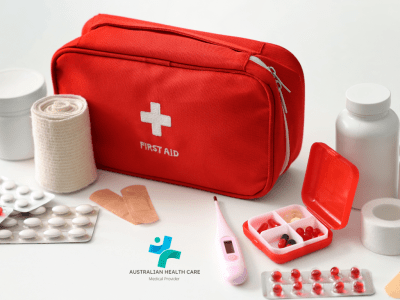
Keeping a small selection of practical health products at home can make everyday care easier when someone needs basic first

Buying health products online can make it easier to compare equipment, find products for home care and order items without