
Medical Equipment Store: Choosing Blood Pressure Monitors AU
Choosing a blood pressure monitor can be confusing when several devices appear to offer similar features. When comparing products through

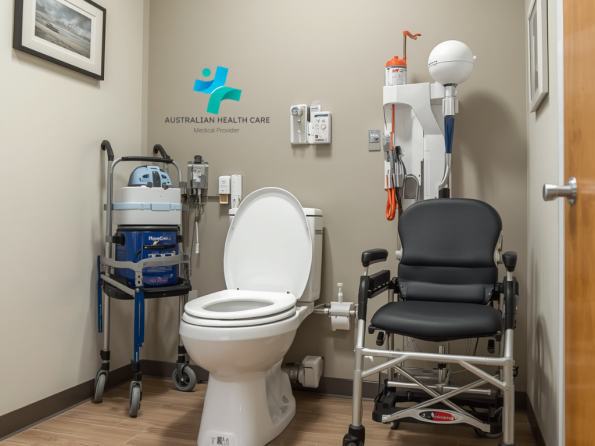
Bathroom routines can become harder when someone is recovering from surgery, living with reduced mobility, managing pain, or needing daily care support. Simple tasks like sitting, standing, toileting, washing, and moving around a wet bathroom can feel tiring or unsafe without the right support.
The right bathroom medical equipment can help improve comfort, support independence, and make care tasks easier for family members or carers. However, every person’s needs are different. A product that works well for one person may not suit another bathroom layout, body type, mobility level, or hygiene routine.
This guide explains common bathroom comfort and toileting aids, including toilet seat support options and urinary bottles. It also covers practical buying tips, safety checks, and when to ask for advice before choosing a product.
Bathroom medical equipment is often used when a person needs extra support with daily toileting, washing, or moving around the bathroom. This may include older adults, people recovering from surgery, people with disability, or anyone who finds standard bathroom fittings uncomfortable or difficult to use.
A standard toilet seat can feel too hard for some people, especially if they sit for longer periods or have tenderness, pressure discomfort, or reduced strength. In these situations, comfort products such as a toilet seat pillow, padded toilet seat, or soft toilet seat cushion may be considered.
The goal is not only comfort. The product should also suit the toilet shape, stay secure during use, and be easy to clean. If the person has a high falls risk, pressure injury concerns, or complex care needs, advice from an occupational therapist or healthcare professional may be needed.
Bathroom care can also be physically demanding for carers. Helping someone sit, stand, transfer, clean, or move safely in a small space can be challenging.
The right equipment may help make routines more organised and less stressful. For example, a properly selected cushioned toilet seat can improve sitting comfort, while a urinary bottle may reduce urgent trips to the bathroom at night for some users. These products should still be chosen with care, especially when balance, hygiene, or transfer safety is a concern.
Families and carers should think about the full care routine. This includes how the person gets to the bathroom, how long they sit, whether they need help standing, and how products will be cleaned after use.
A toilet seat pillow is designed to add a softer layer to a standard toilet seat. It may help people who find hard toilet seats uncomfortable, especially during recovery or when they need extra cushioning.
Before buying, check the shape and size of the toilet seat. Not every cushion fits every toilet. Some products may suit round seats, while others may suit elongated seats. A poor fit can move around, feel unstable, or make the toilet harder to use.
It is also important to consider cleaning. Since bathroom products are exposed to moisture and hygiene needs, choose materials that are easy to wipe down and maintain. If the product absorbs moisture or is hard to clean, it may not be suitable for long-term daily use.
There are several similar terms used for toilet comfort products. A cushion toilet seat, cushioned toilet seat, padded toilet seat, toilet seat pads, and soft toilet seat cushion may all refer to products that add comfort to the toilet seat area.
Even though these terms sound similar, the products may differ in thickness, material, attachment style, shape, and cleaning method. Some may sit on top of the existing seat. Others may replace the seat or attach more securely.
When comparing options, look at:
Comfort matters, but safety and hygiene matter too. A product should not slide, bunch, crack, or make transfers harder.

Bathroom aids should be simple to clean because they are used in a high-moisture area. Products used around the toilet should be checked regularly for wear, stains, cracks, odour, or damage.
For toilet seat pads or a soft toilet seat cushion, easy cleaning is especially important. Look for a smooth surface where possible and follow the supplier’s care instructions. Avoid using harsh cleaning products unless the manufacturer says they are suitable, as some cleaners may damage the material.
If the product is shared between users, used in a care setting, or used by someone with sensitive skin, hygiene should be discussed with a care provider. Specific infection control needs should be confirmed with a qualified healthcare professional.
A bathroom product must fit the user and the bathroom. A cushion that is too thick may change the sitting height. This may help some users, but it may make transfers harder for others.
Before buying, measure the toilet seat and check whether the product suits the shape. Also consider the person’s strength, balance, and ability to sit and stand safely.
Important questions include:
If there is any concern about falls, transfers, skin pressure, or long-term use, it is best to ask an occupational therapist or healthcare provider for advice.
A urinary bottle may help people who have difficulty reaching the toilet quickly. This can be useful at night, during short-term recovery, or when mobility is limited.
For example, someone recovering from surgery may find it hard to walk safely to the bathroom several times overnight. A urinary bottle may reduce the need for urgent movement, but it should still be used safely and hygienically.
The bottle should be easy to hold, easy to empty, and easy to clean. It should also be stored in a private and accessible place. If spills are a concern, look for designs that are more stable and simple to manage.
A urine bottle can support dignity and convenience when chosen properly. It may be used at home, in care settings, or during recovery, depending on the person’s needs.
However, it is important to think about the full routine. The user or carer needs to empty and clean the bottle safely. Poor cleaning can create odour and hygiene concerns. The bottle should also be replaced if it becomes cracked, stained, hard to clean, or damaged.
A urine bottle is not a replacement for medical advice. If someone has sudden changes in urination, pain, confusion, infection symptoms, or new continence concerns, they should speak with a healthcare professional.
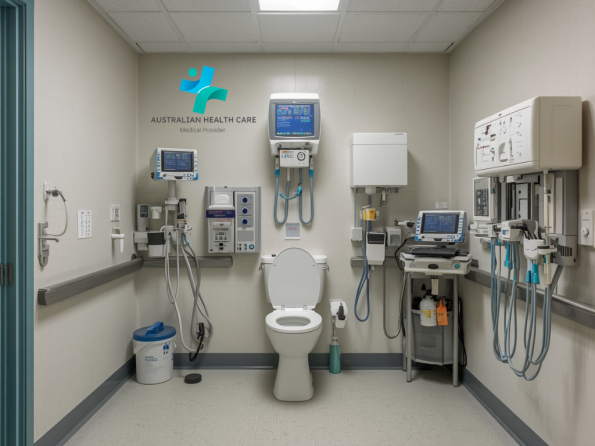
Choosing bathroom medical equipment starts with the person’s daily routine. Think about where they feel discomfort, what tasks are difficult, and how much support they need.
For example, a person who finds a hard toilet seat painful may need a cushioned toilet seat or padded toilet seat. Someone who struggles to reach the bathroom quickly may need a urinary bottle. A person who sits for longer periods may need a soft toilet seat cushion that offers comfort without creating instability.
Before choosing, consider:
If the person uses other bathroom aids, such as a shower chair, over-toilet frame, or grab rail, make sure each item works together safely. Equipment should not crowd the bathroom or create new trip hazards.
Professional advice can be helpful when the person has complex needs. This includes falls risk, difficulty transferring, pressure discomfort, disability support needs, or changing mobility.
An occupational therapist can help assess the bathroom setup and recommend suitable support. A medical equipment supplier can also help explain product differences, sizes, materials, and care instructions.
Australian Health Care may be useful to contact when comparing bathroom comfort products, toileting aids, urinary support products, and related medical supplies. This is especially helpful if you are unsure which product fits the user’s needs, bathroom layout, or hygiene routine.
When contacting a supplier, it helps to share:
This makes it easier to narrow down practical options.
One common mistake is buying toilet seat support without measuring the toilet. A product may look suitable online but may not fit correctly once it arrives.
Before buying toilet seat pads or any toilet cushion product, check the width, length, and shape of the existing toilet seat. Also check whether the product attaches to the seat or simply rests on top.
If the cushion does not fit well, it may move during use. This can feel uncomfortable and may create a safety concern. It may also make the product harder to clean.
Measuring first can save time, reduce returns, and help avoid poor product choice.
Softness is helpful, but it is not the only thing that matters. A very soft product may feel comfortable at first but may not offer the stability some users need.
For example, a soft toilet seat cushion should still feel secure. It should not slide around, fold, or make it difficult to sit and stand. A cushion that changes the toilet height too much may also affect balance.
Also check how the product will be cleaned. A product used daily should be durable enough for regular hygiene routines. If it starts to crack, peel, lose shape, or become hard to clean, it may need to be replaced.
For anyone with skin pressure concerns, fragile skin, or ongoing discomfort, product choice should be checked with a healthcare professional.
You should contact the company before buying if you are unsure which product suits the user or bathroom. This is especially important when choosing bathroom medical equipment for an older person, someone recovering after surgery, or someone with limited mobility.
It is also helpful to ask for advice if you are comparing a toilet seat pillow, cushion toilet seat, cushioned toilet seat, padded toilet seat, toilet seat pads, or soft toilet seat cushion. The names may sound similar, but the fit, use, and comfort level can vary.
A supplier can help explain product differences, but they should not replace clinical advice where health or safety concerns are involved. If the person has falls risk, serious pain, skin issues, continence changes, or complex care needs, speak with a qualified health professional.
You may also need help after the first purchase. Bathroom aids can wear down over time, especially when used daily. Cushions may lose shape, surfaces may become harder to clean, and bottles may need replacing if damaged.
Australian Health Care can be contacted for product guidance, replacement items, and support when comparing bathroom comfort and toileting products. If you are not sure what to choose, provide clear details about the person’s needs, the bathroom layout, and the type of support required.
A simple next step is to ask for help before buying. This can reduce guesswork and make it easier to choose bathroom medical equipment that suits comfort, hygiene, fit, and daily care needs.
Choosing a blood pressure monitor can be confusing when several devices appear to offer similar features. When comparing products through

When buying medical equipment, it is reasonable to ask whether the product can legally be supplied in Australia. However, terms
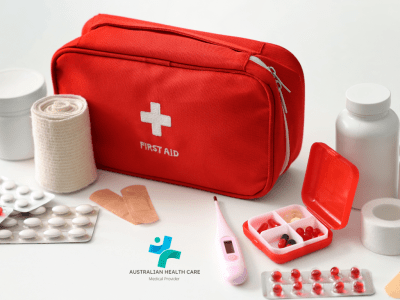
Keeping a small selection of practical health products at home can make everyday care easier when someone needs basic first

Buying health products online can make it easier to compare equipment, find products for home care and order items without